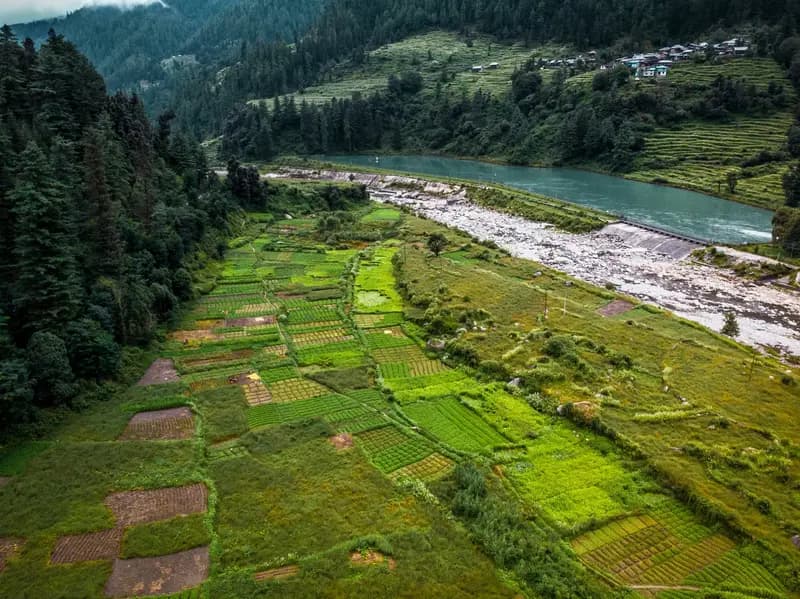
Spiritual Shimla: A Journey Through Ancient Temples and Sacred Legends
Spiritual Shimla: A Journey Through Ancient Temples and Sacred Legends
To many, Shimla is a honeymoon destination. To me, it is a sacred geography. I grew up hearing stories of gods who chose these specific peaks to rest, and goddesses who protected the valley long before the first British governor ever set foot here.
In this guide, I isn't just taking you to temples; I’m inviting you to walk the paths of the ancients. From the red giant guarding the hills to the serene goddess of the oak forests, these are the spiritual anchors of my Shimla.
1. The Red Guardian: Jakhu Hanuman Temple
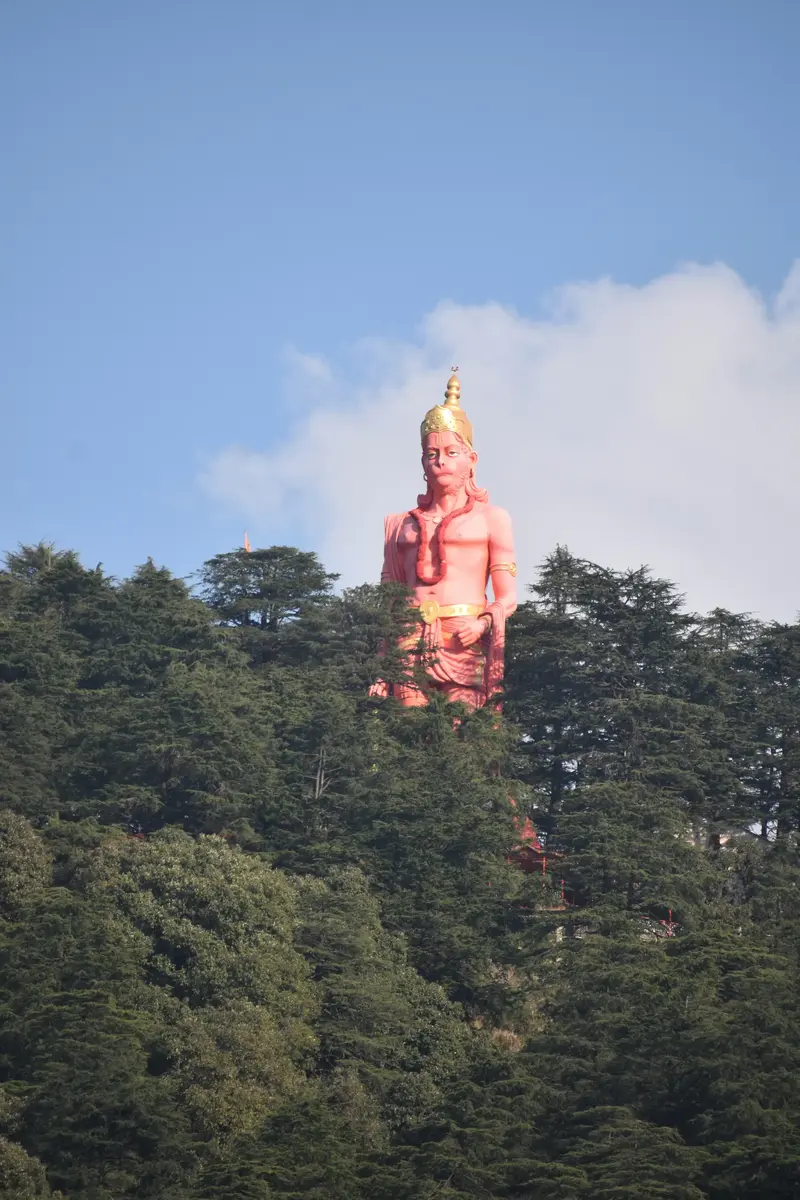
I never "feel" I’ve arrived in Shimla until I’ve made my way to the Jakhu Temple. sitting atop the highest point in the city, the temple is dedicated to Lord Hanuman.
I remember the morning I decided to take the steep walk from the Ridge instead of the ropeway. My legs were burning, but the atmosphere changed as I climbed. The monkeys began to gather—they are the "vanguards" of the temple. Legend says Hanuman rested here while flying to get the *Sanjeevani* herb. I spent an hour at the top, dwarfed by the massive 108-foot orange statue that watchfully overlooks the entire valley. There’s a vibration there—a mix of old incense and high-altitude silence—that you can’t find anywhere else.
Logistics Tip: Be careful with your sunglasses and bags. The Jakhu monkeys are world-class pickpockets. I recommend taking the Jakhu Ropeway one way if you want to save time (approx. ₹250-₹470), but the walk down through the deodar forest is spiritual in itself.
2. The City's Mother: Kali Bari Temple
Right in the heart of the city, near Mall Road, lies the Kali Bari Temple.
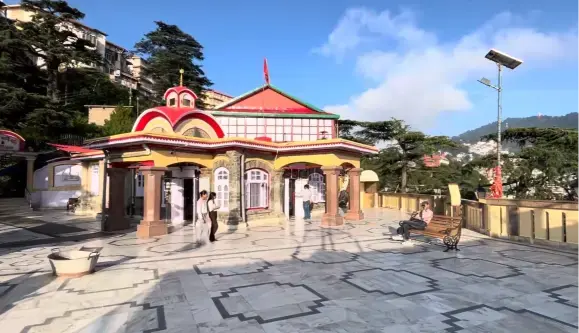
This is where Shimla gets its name—from Goddess *Shyamala*, a form of Kali.
I love visiting this temple in the evening during the *Aarti*. The banging of the brass bells and the chanting of the priests create a shield of sound against the chatter of the tourists outside. Built in 1845, it feels ancient. I often find a quiet corner in the courtyard to sit and watch the devotees. There is a deep, maternal comfort here.
3. The Serene Protector: Tara Devi Temple
Perched on a peak about 11 km from the city, Tara Devi Temple is my favorite place for contemplation.
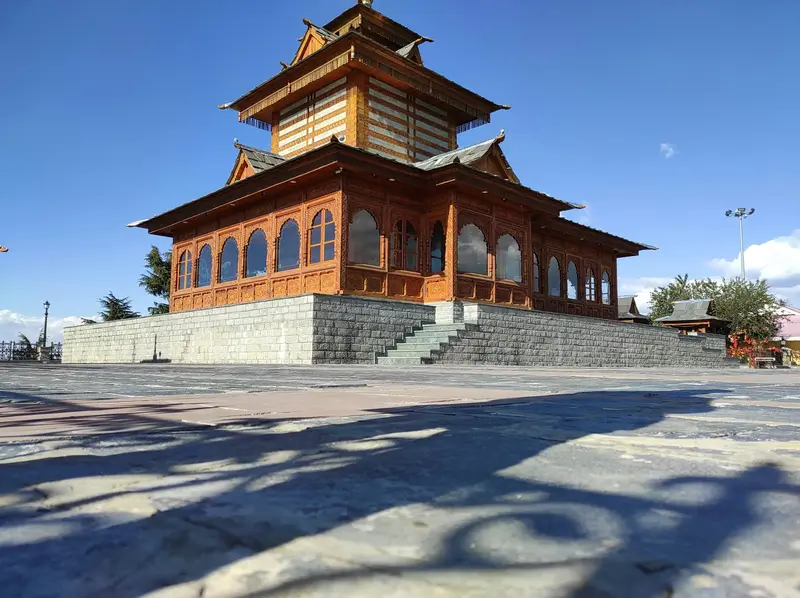
According to local lore, a king of the Sen dynasty brought the deity from Bengal, and she has guarded the Juggar forest ever since.
I remember my last visit; the sky was a clear, brilliant blue. The temple, made of wood and stone in the traditional Pahari style, looked ethereal. The views of the snow-clad peaks from here are unrivaled. It feels like a bridge between the earth and the heavens.
4. The Peace Giver: Sankat Mochan
Down the Shimla-Kalka road, Sankat Mochan Temple is where I go when I need peace.
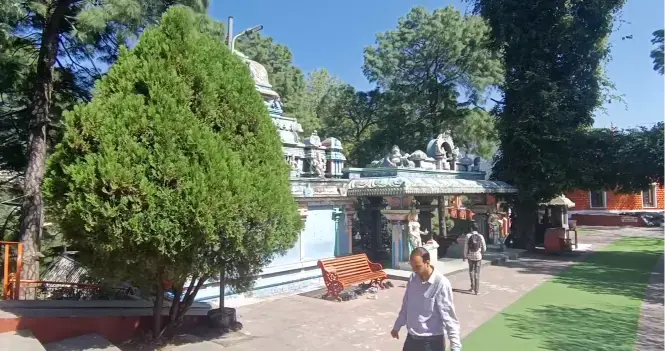
Established in 1966 by Baba Neeb Karori Ji Maharaj, it is famous for its serene gardens and the *Langar* (community meal) served on Sundays.
I’ve often sat in the garden there, looking at the fruit trees and hearing the distant horn of the toy train. It is a place of absolute inclusivity. Whether you are a seeker or a traveler, the energy here is one of universal kindness.
---
Traveling with Respect: Etiquette for Shimla’s Temples
As someone who loves these places, I always ask visitors to follow these rules:
1. Dress Modestly: Cover your shoulders and knees. It’s a sign of respect for the local culture.
2. Footwear: Always remove your shoes before entering the temple sanctum. Most temples have a safe storage area.
3. Offerings: You can buy flowers or prasad from the small shops outside.
4. Photography: Respect the signs. Many temples do not allow photography inside the inner sanctum. I always ask the priest before taking out my camera.
5. Donation: If you contribute to the 'Hundi' (donation box), you are helping the locals maintain these heritage structures.
---
Hungry after the temple trail? Check out our Ultimate Shimla Food Guide.
*Plan your spiritual journey: Shimla Heritage & Divine Tour or Custom Offbeat Spirtual Circuit.*