Beyond the Mall Road: My Secret Guide to Offbeat Treks in Shimla
Beyond the Mall Road: My Secret Guide to Offbeat Treks in Shimla
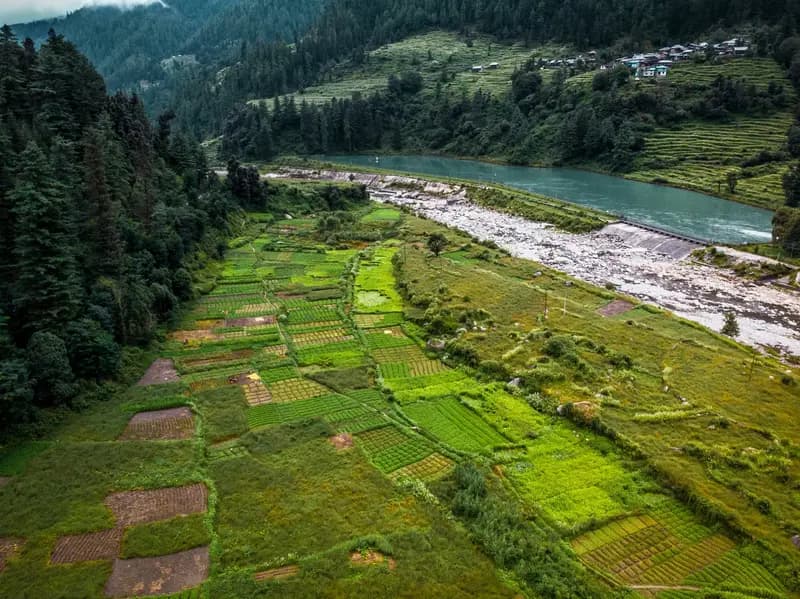
Most people see Shimla as a place of strolls and shopping. But to me, Shimla has always been a gateway to the wild. I remember the first time I stood at the edge of the Ridge, looking toward the distant snow peaks of the Kinnaur Kailash range. I felt like the city was a velvet curtain, and behind it lay a rugged, untamed world waiting to be explored.
In this guide, I’m sharing the paths that don’t show up on the glossy tourist pamphlets. These are the trails where I’ve found silence, met nomadic shepherds, and witnessed sunsets that made me forget I was just a few kilometers from a bustling city.
1. The Giant Sentinel: Shali Tibba (2,873 m)
Shali Tibba is the highest peak in the vicinity of Shimla, yet it remains relatively untouched by the weekend crowds. I remember my first ascent; the trail starts from Khatnol Village, which is about a 1.5 to 2-hour drive from Shimla.
The trek itself is a 7 km uphill climb through some of the most beautiful deodar and pine forests I’ve ever seen.
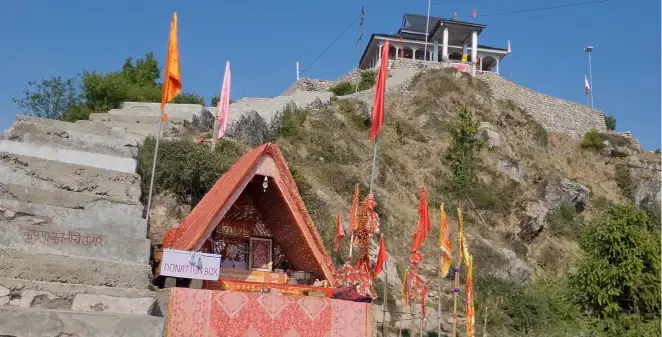
What makes Shali Tibba special is the temple at the summit.
As I reached the top, the 360-degree view took my breath away. To the north, the massive peaks of the Greater Himalayas; to the south, the rolling hills of the Shivaliks. It felt like standing on the roof of the world.
Logistics Tip: Local buses for Khatnol are rare. I suggest hiring a private taxi or taking your own vehicle. Start early—I set off from Shimla at 6 AM to ensure I was back before the mountain shadows got too long.
2. The Spiritual Ridge: The Forest Path to Tara Devi
While many people take the road or the toy train to Tara Devi, I prefer the "old way."
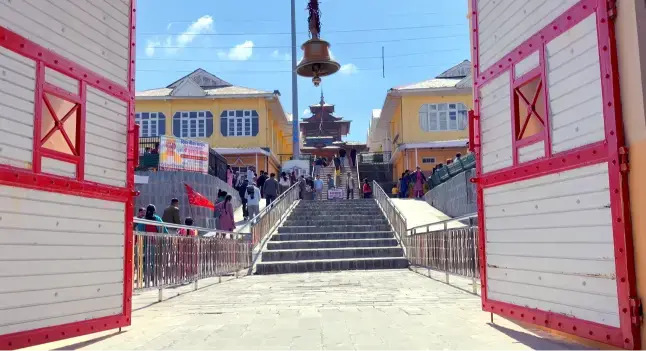
There is a forest trail that starts near the Tara Devi Railway Station.
I hiked up through a dense canopy of oak and rhododendron. In the spring (March/April), these forests are ablaze with red flowers. The peace here is absolute. I didn't see another soul until I reached the temple complex at the top. The view of the Shimla ridge from Tara Devi is unique—it makes the city look like a toy village clinging to the mountainside.
3. The Challenging Ascent: Churdhar Peak (3,647 m)
If Shali Tibba is a day's stroll, Churdhar is a test of grit.
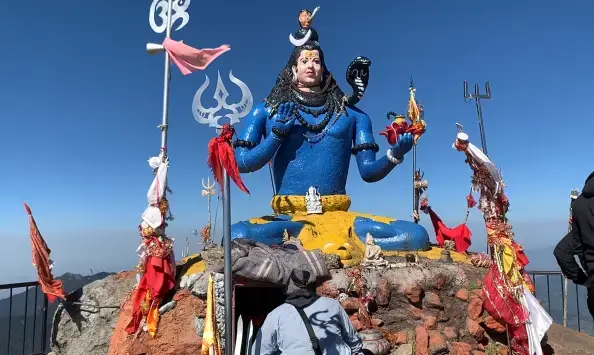
This is the highest peak in the outer Himalayas. I took the route from Nohradhar.
The trek is roughly 18-20 km one way, and I chose to camp midway. The ascent is steep, rocky, and unforgiving, but the reward is celestial. Standing at the giant statue of Lord Shiva at the summit, surrounded by clouds, was a moment of pure transcendence. Legend says this is where the *Sanjeevani Booti* was searched for. Looking at the medicinal herbs lining the path, I could believe it.
4. The Quiet Descent: Glen Forest & Chadwick Falls
When I want a quick escape without leaving the city limits, I head to the Glen Forest.
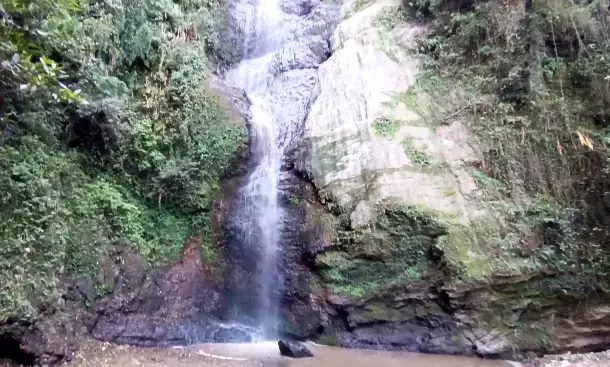
Located near Summer Hill, this is a deep, narrow ravine that remains cool even in the peak of summer.
I walked the mossy trails down to Chadwick Falls. While the falls themselves are most impressive during the monsoon, the walk through the deodar forest is what I love. The air here tastes different—it’s crisp, resinous, and alive. It’s my favorite place for a "forest bath."
---
Trekking Survial Guide: What’s in My Backpack?
Over years of mountain expeditions, I’ve refined my list. For these Shimla treks, here is what you need:
1. Footwear: Avoid sneakers. You need high-grip trekking shoes. I wear my Decathlon Forclaz ones for most day treks.
2. Hydration: I carry a 2L Water Bladder. Mountain water is pure, but I always use Chlorine tablets if I'm filling from a stream.
3. Layers: The mountain temperature drops 5 degrees for every 1000m. I carry a lightweight down jacket even in summer.
4. Energy: Local trail mix (badam, kishmish) and a few energy bars. Avoid heavy meals before an ascent.
5. Offline Maps: I use Maps.me. Signal in the Glen and toward Churdhar can be non-existent.
---
Seeking spiritual peace after the adventure? Check out our Guide to Shimla's Sacred Temples.
---
🏔️ Recommended Guided Treks & Tours from Shimla
* [3-Day Narkanda & Hatu Peak Expedition](/destination/narkanda-hatu-peak-tour) — India's oldest apple belt and pine ridge trails.
* [4-Day Sangla & Chitkul Valley Trek](/destination/sangla-chitkul-tour) — Explore the last frontier village of India.
* [6-Day Chandratal Moon Lake Trek](/destination/chandratal-lake-camping-tour) — Pristine high-altitude camping in Spiti.