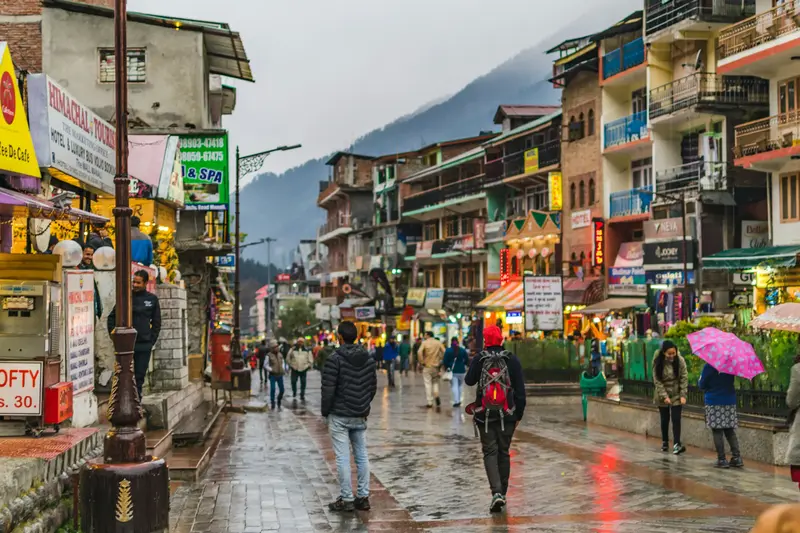
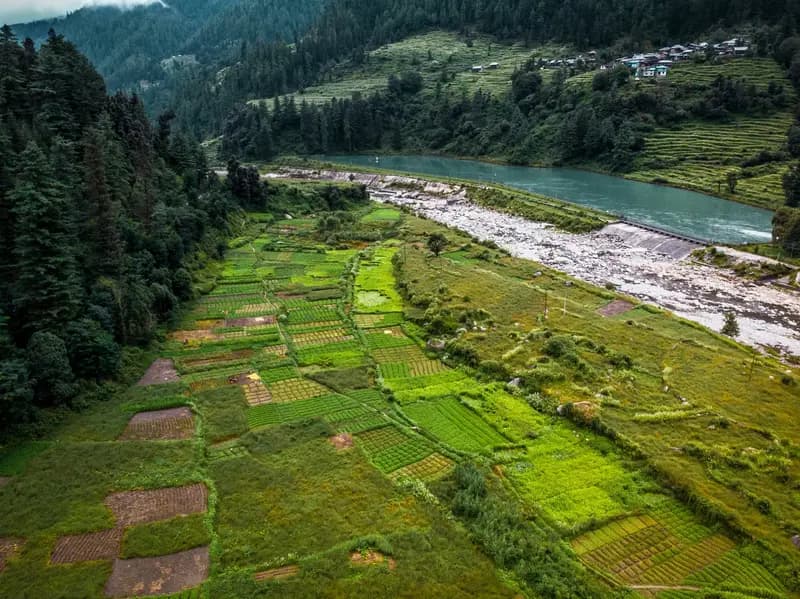
The Art of the Mountain Bag: The Ultimate 2026 Himachal Packing Checklist
1. The Philosophy of Lightweight Mountain Travel
There is a specific weight to a backpack that feels like a burden, and a specific weight that feels like freedom. After eight years of traversing the ridges from Mcleodganj to the remote valleys of Pangi, I’ve realized that most travelers carry their fears in their bags. They pack for every "what if" instead of packing for the reality of the mountains.
In 2026, the landscape of Himachal travel has changed. We are no longer just "tourists"; we are visitors in a fragile ecosystem that is feeling the heat of climate change. Our packing lists now reflect two major shifts: Sustainability and High-Tech Safety. In this guide, I’m stripping away the fluff and giving you the raw, logistical blueprint of what I pack for a 14-day Himalayan traverse in 2026.
---
2. The Core Layering Logic: The 3-Layer Rule
In the Himalayas, you don't pack for one climate; you pack for four. I’ve seen the temperature drop from 25°C to 2°C in a matter of twenty minutes as the sun dips behind the Dhauladhars. The only way to survive this without carrying a heavy suitcase is the Layering System.
Layer 1: The Base (Moisture Management)
The goal of the base layer is to keep your skin dry. In 2026, we have moved beyond basic cotton (which is a death sentence in the cold because it stays wet).
Merino Wool: This is the gold standard for 2026. It’s naturally anti-microbial (you can wear it for 4 days without it smelling) and it regulates temperature perfectly.The "Uniqlo Heattech" Era: If you’re on a budget, the Ultra Warm series is a fantastic substitute.Quantity: 2 sets for a 10-day trip. One to wear, one to air-dry.Layer 2: The Mid (Insulation)
This is where you trap your body heat.
The Micro-Down "Puffer": Every traveler in 2026 needs a 700-fill power down jacket. Look for "Recycled Down" versions from brands like *Patagonia* or local Indian high-end gear like *Gipfel*. It should be light enough to fit under your shell but warm enough for 0°C.Fuzzy Fleece: For casual evenings in Old Manali cafés, a high-pile fleece is the 2026 "vibe" choice. It’s breathable and incredibly cozy.Layer 3: The Shell (Weather Protection)
This is your shield against the piercing winds of Rohtang or the sudden cloudbursts of Kasol.
2026 Standard: A Gore-Tex (or equivalent) hard shell. It must be waterproof and, more importantly, windproof. Wind chill in the mountains can make 10°C feel like -2°C.The Poncho Hack: Always carry a ₹200 heavy-duty plastic poncho in the side pocket. It covers you AND your bag during a heavy monsoon downpour.---
3. Footwear: The Geometry of a Good Journey
Your feet are your engine. If your engine breaks down, the trip is over.
The "Vibram" Rule: Ensure your trekking boots have a Vibram or high-traction rubber sole. The scree (loose rocks) on trails like Kheerganga or Beas Kund is unforgiving.The Broken-In Myth: Never, ever take a brand-new pair of boots to the mountains. In 2026, the term is "Conditioning." Wear your boots for at least 30km of walking at home before you land in Shimla.Casuals: A pair of lightweight Crocs or Birkenstocks. After 8 hours in heavy boots, sliding your feet into these at the homestay is a form of spiritual healing.Pro Tip: Pack three pairs of Merino Wool Socks. They prevent blisters better than any cream or bandage.
---
4. The 2026 Tech Kit: Staying Connected in the Silence
Connectivity in Himachal is a gamble, especially in the "Shadow Zones" of Jibhi and Spiti.
The 20,000mAh Power Bank: Cold weather drains batteries 30% faster. In 2026, I use a MagSafe-compatible bank that sticks to my phone—no cables to snag on trekking poles.Solar Charging: For long treks, a foldable 21W solar panel attached to your backpack is now a standard utility.Satellite Communicators: While expensive, devices like the *Garmin inReach* are becoming common for solo trekkers in 2026. They allow you to send SOS messages even when there’s no mobile signal.Noise Cancellation: A good pair of ANC earbuds for the 14-hour Volvo bus journey from Delhi. Trust me, the winding horns need to be muted.---
5. The "Zero-Waste" Pouch: 2026 Sustainable Ethics
Himachal is beautiful because of its purity, but tourism is choking it with plastic. In 2026, being an ethical traveler is non-negotiable.
The Filtered Bottle: Carry a *Lifestraw* or *Grayl* bottle. Not only does it save you from buying 20 plastic bottles, but it also allows you to safely drink from mountain streams.Solid Toiletries: Shampoo bars, solid deodorant, and toothpaste tablets. They don't leak, they aren't restricted by airline liquid rules, and they result in zero plastic waste.The "Poo Bags" and Bio-Wipes: If you’re trekking in high altitudes, you must pack out your waste. Use biodegradable waste bags.---
6. The First Aid & Altitude Regimen
Sun Protection: The UV Index at 10,000 feet is significantly higher than at the beach. You need SPF 50+ Broad Spectrum sunscreen. Apply it every 2 hours, even if it's cloudy.The Altitude Kit: Even if you aren't going to Spiti, places like Sangla or Manali can cause mild headaches. Carry:Painkillers (Crocine/Brufen)Motion Sickness pills (Avomine for the 500+ hairpins)Electrolyte sachets (ORS is the secret to high-altitude energy)Lip balm with SPF (Cracked lips are the first sign of mountain dehydration)---
7. The "Pahadi" Etiquette: Cultural Packing
Himachal is the "Land of the Gods." Entering a temple in shorts or a tank top is considered disrespectful.
The Pashmina Scarf: A large, warm scarf is your most versatile tool. It's a blanket on the bus, a head-cover for temples, and a fashion statement in the evening.Modest Layers: Ensure you have at least one set of full-length trousers and a long-sleeved shirt for visiting remote villages like Malana or Kalpa.---
8. Season-Specific Extras
The Winter Specialist (Dec - March)
Crampons: If you are visiting Spiti or crossing Rohtang in winter, lightweight "micro-spikes" for your shoes are essential for walking on black ice.Thermal Flask: A 1-liter insulated bottle to keep your tea/water hot for 12 hours.The Monsoon Specialist (July - Sept)
Dry Bags: I use 5L and 10L silicone-coated dry bags inside my backpack for my electronics and my "Sacred Dry Set" of clothes.Leech Defense: If you’re trekking in the lower hills, carry a small pouch of salt. It’s the only way to get a mountain leech to let go.---
9. Final Checklist: The Minimalist 15
If you take nothing else, take these 15 items:
1. Merino Base Layer (x2)
2. Recycled Puffy Jacket
3. Waterproof Hard Shell
4. High-Traction Boots (Broken-In)
5. Merino Socks (x3)
6. Polarized Sunglasses (Category 3 or 4)
7. SPF 50 Sunscreen
8. Reusable Water Filter Bottle
9. 20,000mAh Power Bank
10. Headlamp (Rechargeable)
11. Personal First Aid Kit
12. Multi-Purpose Puffy Scarf
13. Quick-Dry Towel
14. Cash (In small denominations)
15. A Humble Heart (The most important gear)
TL;DR
Packing for Himachal in 2026 is about versatility, not volume. Focus on high-quality layers, respect the local culture by dressing modestly, and use tech to bridge the gap between adventure and safety. The peaks are waiting—make sure you aren't too heavy to climb them.
*Ready to test your gear? Book your next Himachal Expedition today.*