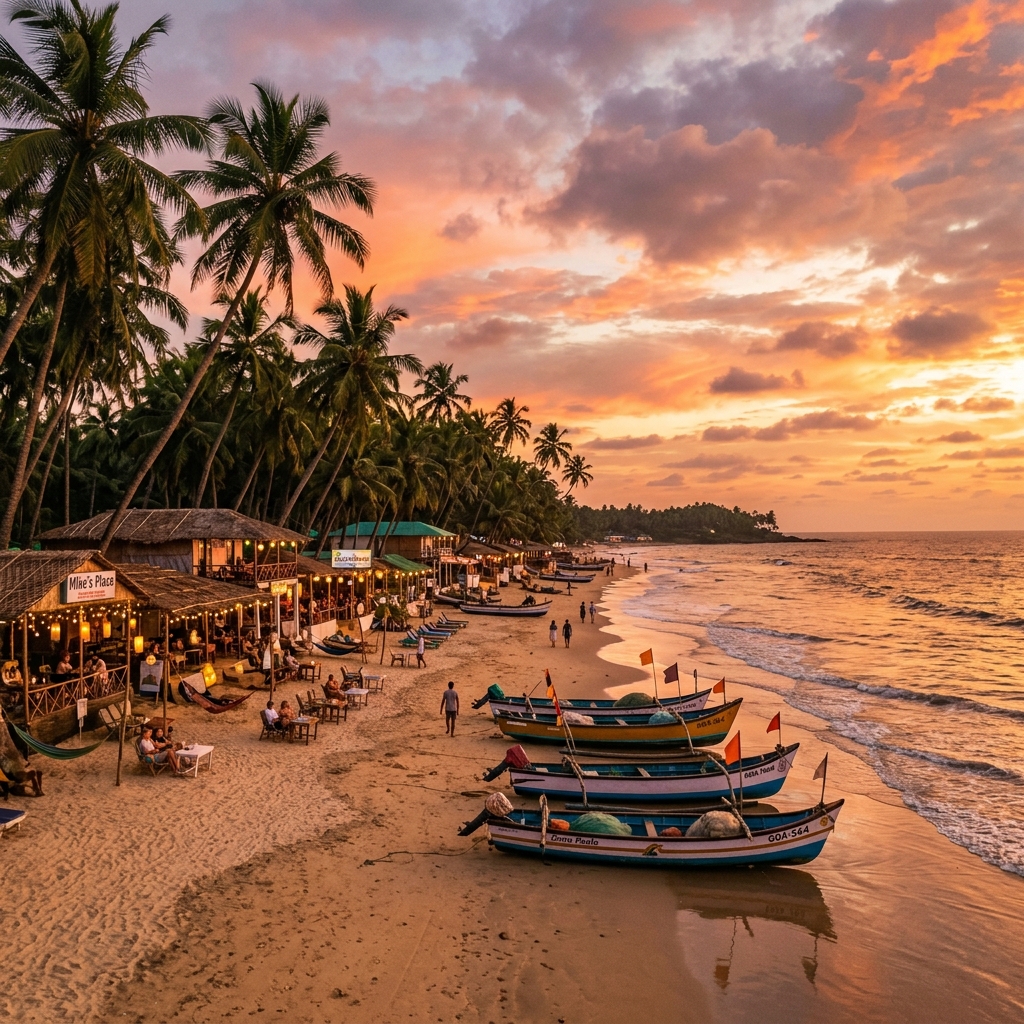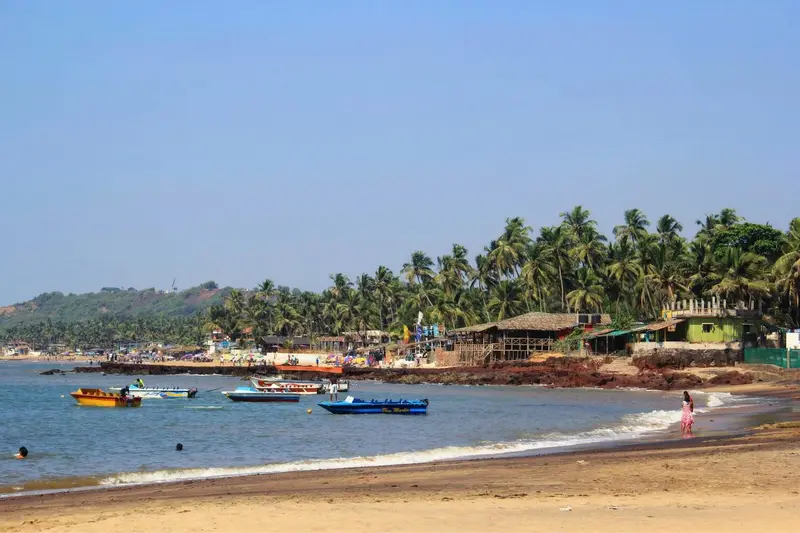
Goa is the only place in India where the Arabian Sea meets a 450-year Portuguese colonial legacy, and the result is unlike anywhere else in the country. The 105 km coastline delivers forty-plus beaches ranging from the international party circuit of North Goa to the quiet lagoons of Palolem and Agonda in the south. Between the coast and the Western Ghats, a landscape of coconut palms, paddy fields, river estuaries, and villages built around elaborate baroque churches makes up a geography that rewards exploration well beyond the beach.
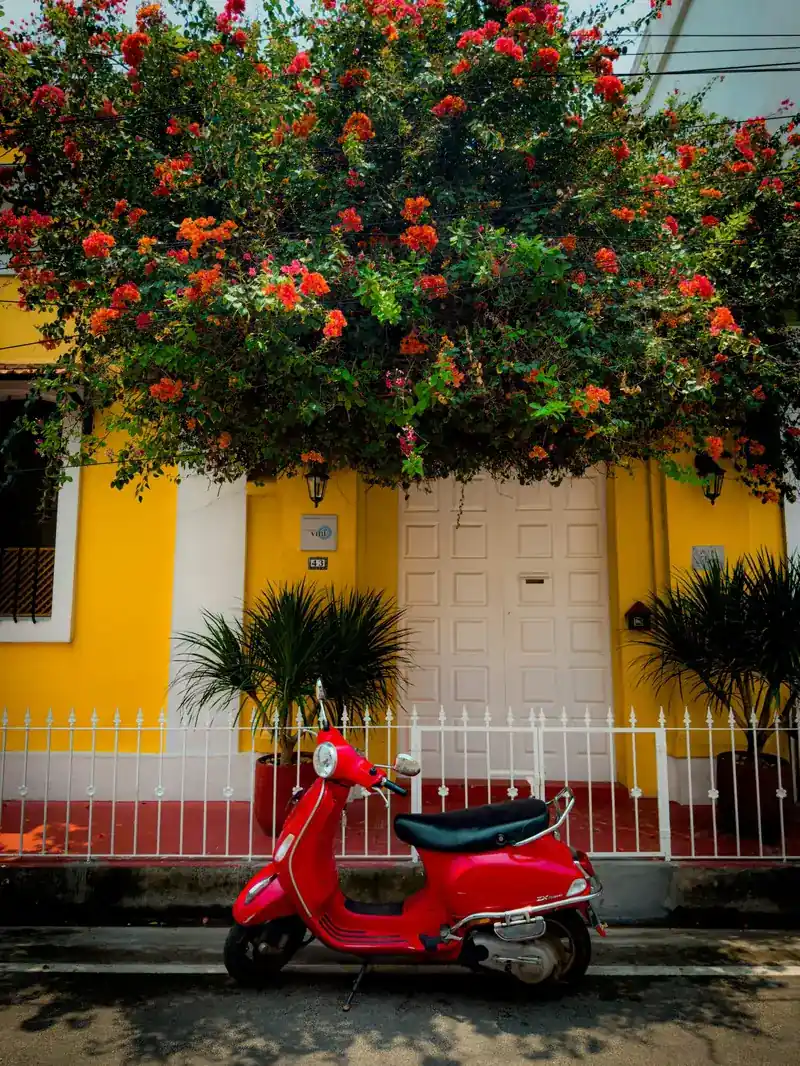
The Portuguese occupied Goa from 1510 to 1961 — a 450-year presence that left its mark on architecture, cuisine, religion, and language in ways that remain visible and functional today. Old Goa's church complex, recognised as a UNESCO World Heritage Site, includes the Basilica of Bom Jesus — where the remains of St. Francis Xavier have been displayed for five centuries — and Se Cathedral, the largest church in Asia at the time of its completion. The Goan house, with its distinctive laterite walls, deep verandas, and azulejo tile accents, represents a domestic architecture that synthesised Indian building traditions with Portuguese aesthetics over multiple generations.
4.8 ★ Rated by 5L+ Travellers | Connect With An Expert
Best Time to Visit Goa
Winter (November to February) is the peak season and with good reason. Temperatures between 20°C and 32°C, low humidity, and minimal rainfall create the conditions that Goa's beach reputation is built on. The Christmas and New Year period is the busiest two weeks of the year — accommodation prices triple and beaches fill to capacity. Booking three to four months ahead is necessary for the December–January window.
Spring (March to May) extends the comfortable beach season before the heat builds. March and April remain excellent — slightly warmer than peak season, significantly fewer crowds, and accommodation prices that reflect the drop in demand. The Shigmo festival (Goan Holi) in March brings traditional music, processions, and colour to the streets of Old Goa.
Monsoon (June to September) brings the Arabian Sea to life in a different register. Commercial water sports close, most beach shacks pack up, and the coastline becomes a dramatic display of heavy surf, dark skies, and extraordinary light. The waterfalls of Dudhsagar (accessible by jeep from Colem) run at their fullest. Hotel prices drop by 50–70%, and Goa's year-round residents re-emerge into a town that belongs to them again.
October is the transition month — monsoon trails off, beaches reopen, and early-season visitors find excellent value before peak-season pricing returns.
How to Reach Goa
By Air
Goa International Airport (Dabolim/Vasco) and the new Mopa International Airport (North Goa, opened 2022) both serve domestic and international routes. Delhi to Goa takes approximately 2 hours; Mumbai to Goa is 1 hour. Mopa Airport is the more convenient gateway for North Goa beaches — Baga, Anjuna, and Calangute are 30–45 minutes away.
By Rail
Goa's railway network connects the state to the Konkan coast line. Madgaon (Margao) is the main junction for South Goa; Thivim serves North Goa. The Konkan Railway from Mumbai to Margao takes 8–10 hours through spectacular coastal terrain — tunnels, bridges, and estuary crossings that make the journey memorable in its own right. The Jan Shatabdi and Konkan Kanya Express are the most popular services.
By Road
Mumbai to Goa by road is 590 km (10–12 hours) via NH48. Overnight buses from Mumbai and Pune are well-serviced and affordable. The route passes through the Sahyadri hills and crosses the Goa border at Polem in the south or Patradevi in the north.
Local Cuisine to Try
Goa's cuisine is the most distinctive regional food tradition in India — built on the synthesis of the indigenous Konkani culinary base with four centuries of Portuguese influence. Fish Curry Rice — a simple name for an elaborate preparation: fresh-caught mackerel or pomfret in a coconut-and-Kashmiri-chilli curry, served over mounds of boiled rice — is eaten for lunch seven days a week across the state. Vindaloo (originally Vinho d'alhos — wine and garlic — now made with pork and sharp vinegar) is the most internationally recognised Goan dish; the authentic version at local restaurants has nothing in common with the British curry-house interpretation. Bebinca, a sixteen-layer coconut and egg yolk pudding cooked one layer at a time, is the festival dessert made at Christmas and Easter and available in Panaji bakeries year-round. Feni — double-distilled cashew or coconut spirit — is the state drink; the cashew variety, fermented from fresh cashew apple juice, is the more complex and regionally specific of the two.
Plan Your Goa Trip
Let Himalayan Escalate help you plan a Goa experience that balances beach time with the heritage circuit and authentic cuisine. Our Goa specialists manage everything from houseboat-style beach cabin bookings to Old Goa private guided walks.
Contact Us Today to start planning your Goa trip!
---
Travel With Himalayan Escalate