---
title: "Dharamshala Travel Guide: The Definitive Authority on the Tibetan Diaspora Hub"
metaTitle: "Dharamshala Travel Guide 2026: Logistics, Heritage & Dhauladhar Strategy"
metaDescription: "The authoritative Dharamshala travel guide. Detailed logistical data on the Tibetan Government-in-Exile, Dhauladhar geomorphology, and Kangra heritage surveys."
keywords: "Dharamshala travel guide, McLeodganj logistics, Tibetan Government in Exile, Dhauladhar range, Masroor Rock Cut Temple, Norbulingka Institute, Kangra Fort"
author: "Himalayan Escalate"
publishDate: "2024-04-29"
lastModified: "2026-05-01"
category: "Destination Guides"
destination: "Dharamshala"
state: "Himachal Pradesh"
readTime: "18 min read"
featuredImage: "/images/destinations/dharamshala/mcleodganj.jpg"
images:
- "/images/destinations/dharamshala/mcleodganj.jpg"
- "/images/destinations/dharamshala/dalai-lama-temple.jpg"
- "/images/destinations/dharamshala/triund-trek.jpg"
- "/images/destinations/dharamshala/bhagsu-waterfall.jpg"
- "/images/destinations/dharamshala/dharamshala-valley.jpg"
---
Dharamshala Travel Guide: The Definitive Authority on the Tibetan Diaspora Hub
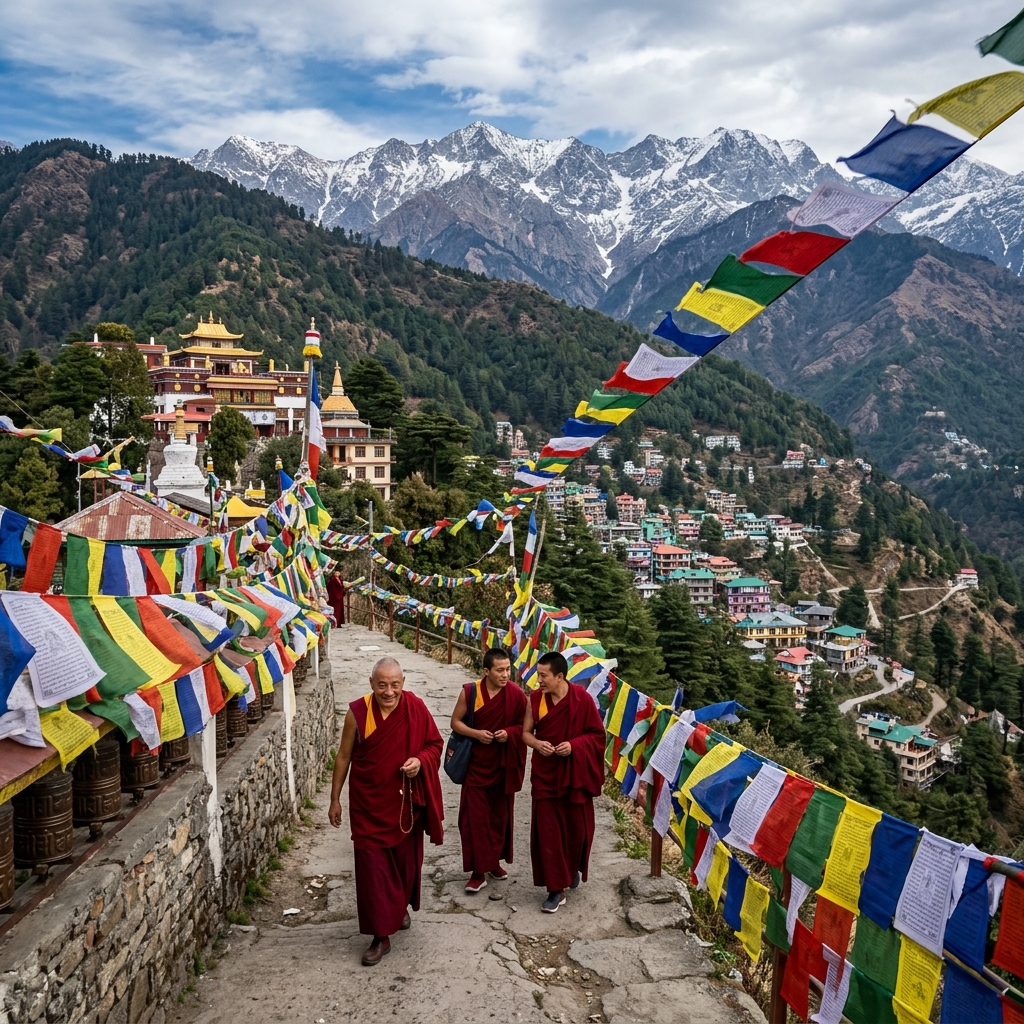
Situated on a spur of the Dhauladhar range in the Kangra Valley, Dharamshala is a destination of profound geopolitical and spiritual significance. Known globally as the residence of the 14th Dalai Lama, the town is divided into two distinct logistical zones: Lower Dharamshala (the commercial and administrative center at 1,457m) and Upper Dharamshala (McLeodganj, the cultural heart of the Tibetan diaspora at 2,082m). This guide provides a professional audit of the region's infrastructure, heritage preservation efforts, and the unique geomorphology of the 'Granite Wall' of the Himalayas.
---
1. Geological & Geopolitical Context
The Dhauladhar: The White Range
The Dhauladhar range, meaning 'The White Range,' is a formidable granite wall that rises abruptly from the Kangra Valley. Unlike the Pir Panjal, which is a secondary range, the Dhauladhar represents the first major barrier for the Indian Monsoon. This results in Dharamshala receiving some of the highest rainfall in the state. Geomorphologically, the range is composed of Pre-Cambrian granites and metamorphic rocks, providing the stark, grey-and-white backdrop that defines the town's visual identity.
The Tibetan Government-in-Exile (TGI)
Since 1960, Dharamshala has served as the headquarters of the Central Tibetan Administration (CTA). This is not merely a refugee settlement but a fully functioning administrative hub responsible for the education, healthcare, and cultural preservation of the Tibetan community worldwide. For the traveler, understanding the TGI's history—from the 1959 exodus to the establishment of the 'Little Lhasa' in McLeodganj—is critical to interpreting the town's social landscape.
---
2. Strategic Climate & Seasonal Analysis
Spring (March to April): The Spiritual Peak
This is the most significant period for cultural immersion. The Tibetan New Year (Losar) usually falls in February or March, followed by the Dalai Lama's annual public teachings. The weather is crisp, and the rhododendrons begin to bloom across the Dhauladhar foothills.
Summer (May to June): The High-Altitude Escape
While the plains of North India experience extreme heat, Dharamshala remains temperate (20°C-30°C). This is the primary window for the Triund trek and high-altitude forest walks.
* Logistical Note: Traffic congestion between Lower Dharamshala and McLeodganj is peak during this time. The Dharamshala Skyway (Ropeway) is the most efficient transit method, bypassing the narrow mountain hairpins.
Monsoon (July to September): The Hydrological Surge
As mentioned, Dharamshala's position against the Dhauladhar leads to intense rainfall. While the waterfalls (Bhagsu and Dharamkot) are spectacular, trekking is generally discouraged due to leeches and landslide risks.
* Local Insight: This is the best time for meditation retreats and indoor cultural studies at the Library of Tibetan Works and Archives.
Winter (December to February): The Frost Window
Upper Dharamshala receives moderate to heavy snowfall. The town is quiet, making it ideal for those seeking solitude. Temperatures can drop to 0°C.
---
3. Logistical Infrastructure: How to Reach
The Dharamshala Skyway
Commissioned in 2022, this aerial ropeway connects the Dharamshala bus stand to McLeodganj in just 5 minutes. It is a critical piece of infrastructure that solves the chronic parking and traffic issues of the upper town.
By Road (Professional Transit Data)
* Delhi to Dharamshala: 475 km. Overnight Volvo buses are the standard. Departure from ISBT Kashmiri Gate or Majnu ka Tilla (Tibetan Colony) around 20:00, arrival by 07:00.
* Pathankot to Dharamshala: 90 km. Pathankot is the nearest broad-gauge railway hub. A 3-hour taxi transit or a 4-hour local bus journey is the standard route.
By Air: The Gaggal Constraint
Gaggal Airport (IATA: DHM) is located 15 km from Dharamshala.
* Operational Reality: The runway is constrained by the surrounding topography, allowing only ATR-72 or smaller aircraft. High-altitude winds and low visibility during monsoon frequently lead to cancellations. For high-stakes travel, Pathankot or Amritsar are reliable secondary hubs.
---
4. Heritage & Cultural Audit
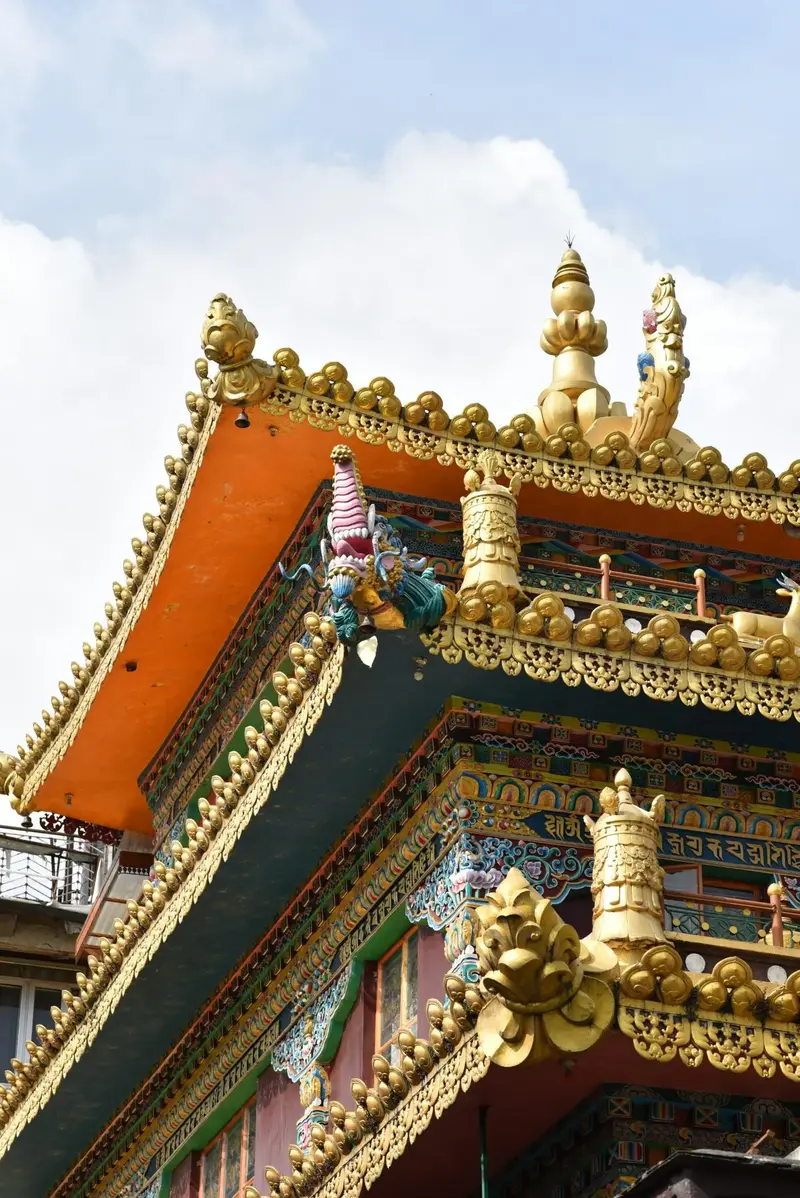
Tsuglagkhang Complex: The Spiritual Epicenter
This complex houses the Namgyal Monastery, the personal monastery of the Dalai Lama.
* Professional Protocol: Visitors are welcome but must adhere to strict silence and circumambulate (Kora) in a clockwise direction. The complex also houses the Tibet Museum, providing a harrowing but essential historical context of the Tibetan struggle.
Norbulingka Institute: Cultural Preservation
Located in Sidhpur (Lower Dharamshala), Norbulingka is dedicated to the preservation of Tibetan literary and artistic forms.
* Audit: The institute maintains traditional standards in Thangka painting, woodcarving, and statue-making. The architecture of the institute itself is modeled after the Norbulingka Palace in Lhasa, featuring high-authority garden designs and water features.
St. John in the Wilderness
A mid-19th-century Neo-Gothic church situated in a deodar forest. It survived the catastrophic 1905 Kangra earthquake, which leveled most of the region. It houses the memorial of Lord Elgin, a former Viceroy of India.
---
5. Architectural Survey: Kangra vs. Tibetan
The region presents a unique architectural overlap:
* Kangra Vernacular: Heavy slate roofs and whitewashed mud walls, designed to withstand high rainfall and seismic activity.
* Tibetan Ecclesiastical: Vibrant colors, flat roofs (modified for the Indian climate), and intricate symbolic woodcraft (e.g., the Eight Auspicious Symbols).
---
6. Major Day-Trip Expeditions
Masroor Rock Cut Temples (The Himalayan Pyramids)
Located 45 km from Dharamshala, this 8th-century complex consists of 15 monolithic temples carved out of a single sandstone outcrop.
* Significance: It is the only monolithic rock-cut temple complex in the Himalayas, showing stylistic similarities to the Elephanta and Ellora caves in Western India.
Kangra Fort
Situated 20 km away, this fort was the seat of the Katoch dynasty, one of the oldest surviving royal lineages in the world. The fort has survived centuries of sieges, including those by Mahmud of Ghazni and Jahangir. Our Palampur & Dharamshala Special includes a guided heritage walk through the fort.
---
7. High-Altitude Trekking Logistics
Triund Hill (2,850m)
A 'ridge' trek that offers a face-to-face view of the Dhauladhar peaks.
* Logistics: A 9 km ascent starting from Galu Devi temple. While popular, the ridge lacks a permanent water source; all supplies must be carried up.
* Professional Tip: Avoid the weekend crowds. A Tuesday or Wednesday start ensures a more authoritative mountain experience. We provide Triund Guided Treks with professional equipment.
Indrahar Pass (4,342m)
A technical trek for experienced mountaineers. It crosses the Dhauladhar range to enter the Chamba Valley. Requires proper high-altitude gear and professional guides.
---
8. Gastronomy & Nutrition: The Highland Diet
The Science of Po Cha
Tibetan Butter Tea (Po Cha) is a high-calorie beverage made from tea leaves, yak butter (or cow butter), and salt.
* Nutritional Role: It is designed to prevent chapped lips and provide sustained energy in cold, high-altitude environments.
The Momos and Thukpa Circuit
While ubiquitous, the Dharamshala Momos are distinct for their thin wrappers and fresh vegetable or buff fillings. Thukpa (noodle soup) is the standard lunch for monks and students, providing hydration and warmth.
Kangri Dham
In Lower Dharamshala, experience the Dham—a traditional community feast served in plates made of dried leaves (Pattals). It features slow-cooked legumes and rice, prepared by hereditary chefs known as 'Botis.'
---
9. Accommodation Strategy
Luxury Segment
- The Himalayan: Premium property with panoramic Dhauladhar views and spa facilities
- Fortune Resort: Chain hotel with consistent quality and modern amenities
- Tibet World: Boutique property with Tibetan architecture and cultural programs
Mid-Range Options
- Hotel Mount View: Central location with excellent valley views
- Pink House: Popular among international travelers with traditional hospitality
- Green Hotel: Eco-friendly property with sustainable practices
Budget & Spiritual Stays
- Guesthouses: Numerous options in McLeodganj and Dharamkot
- Monastery Guesthouses: Stay within Tibetan monasteries for immersive experience
- Homestays: Traditional Tibetan homes with authentic hospitality
Unique Stays
- Forest Rest Houses: Government properties in Triund and surrounding areas
- Meditation Retreats: Specialized centers for spiritual practices
- Volunteer Programs: Opportunities to stay while contributing to community projects
---
10. Shopping & Local Crafts
Tibetan Handicrafts
- Thangka Paintings: Traditional Buddhist art with intricate details
- Prayer Wheels: Handcrafted wheels with sacred mantras
- Tibetan Jewelry: Silver and turquoise pieces with traditional designs
- Singing Bowls: Meditation bowls with authentic sound quality
Local Specialties
- Kangra Tea: World-renowned tea from nearby plantations
- Himachali Shawls: Handwoven wool and pashmina products
- Wood Carvings: Traditional artifacts and religious items
- Incense & Ritual Items: Authentic Tibetan Buddhist supplies
Shopping Areas
- McLeodganj Main Square: Primary shopping area with fixed-price stores
- Dharamkot Road: Local artisans and handicraft shops
- Lower Dharamshala: Traditional markets and local produce
- Norbulingka Institute: Authentic Tibetan crafts with fair trade practices
---
11. Photography Guide
Prime Locations
- Triund Ridge: Panoramic views of Dhauladhar peaks and sunset shots
- Bhagsu Waterfall: Long exposure shots during monsoon season
- Dalai Lama Temple: Cultural and spiritual photography opportunities
- Sunset Point: Golden hour shots over Kangra Valley
Technical Tips
- Best Lighting: Early morning (6-8 AM) and late afternoon (4-6 PM)
- Equipment: Wide-angle for landscapes, telephoto for distant peaks
- Weather: Mountain weather changes rapidly; carry protection for gear
- Cultural Respect: Always ask permission before photographing people or ceremonies
Cultural Photography
- Monastery Life: Traditional practices and daily routines
- Tibetan Culture: Festivals, ceremonies, and traditional dress
- Local Life: Village scenes and traditional occupations
- Spiritual Sites: Temples, stupas, and sacred spaces
---
12. Budget Planning
Daily Budget Estimates (Per Person)
- Budget Traveler: ₹800-1,200 (guesthouses, local transport, local food)
- Mid-Range: ₹2,000-3,500 (3-star hotels, private transport, restaurants)
- Luxury: ₹5,000-10,000+ (premium hotels, private tours, fine dining)
Cost Breakdown
- Accommodation: ₹500-8,000 per night depending on category
- Food: ₹300-1,500 per day (local restaurants to fine dining)
- Transport: ₹400-1,500 per day (local taxis to private vehicles)
- Activities: ₹500-3,000 per activity (guided tours, trekking permits)
- Shopping: Variable based on handicraft purchases
Money-Saving Tips
- Off-Season: Visit during March-April or October-November for better rates
- Local Transport: Use shared taxis and local buses
- Local Cuisine: Excellent Tibetan food at affordable prices
- Group Travel: Many activities offer group discounts
---
13. Emergency Services
Medical Facilities
- Kangra District Hospital: Main government hospital in Dharamshala
- Private Clinics: Several facilities in McLeodganj area
- Tibetan Medical Center: Traditional Tibetan medicine available
- Pharmacies: Well-stocked throughout the town
Emergency Contacts
- Police: 100 / +91-189-222222 (Dharamshala Police Station)
- Ambulance: 102 / +91-189-222333
- Tourist Police: +91-189-222222
- Forest Department: +91-189-222444 (for trekking areas)
Safety Guidelines
- Road Safety: Mountain roads require careful driving; avoid night travel
- Weather Preparedness: Always check weather forecasts before trekking
- Altitude Safety: Acclimatize properly for high-altitude treks
- Cultural Respect: Follow local customs and religious protocols
---
14. Packing Essentials
Basic Requirements
- Clothing: Layered clothing, warm jacket, comfortable walking shoes
- Documents: ID proof, permits for certain areas, insurance papers
- Health: Personal medications, basic first aid kit
- Electronics: Power bank, universal charger, camera equipment
Seasonal Additions
- Summer: Light cotton clothes, sun hat, sunscreen, sunglasses
- Monsoon: Rain gear, waterproof bags, quick-dry clothing
- Winter: Heavy woolens, gloves, caps, warm boots
Specialized Gear
- Trekking: Sturdy boots, backpack, water bottles, energy snacks
- Photography: Camera equipment, lenses, tripods, protection gear
- Meditation: Comfortable clothing, meditation cushion, ritual items
---
15. Responsible Travel
Environmental Conservation
- Zero Plastic: Carry reusable water bottles and shopping bags
- Waste Management: Dispose of waste properly; carry back non-biodegradables
- Forest Respect: Stay on marked trails; avoid disturbing wildlife
- Water Conservation: Use water sparingly in mountain regions
Cultural Respect
- Monastery Etiquette: Dress modestly, remove footwear before entering
- Religious Protocols: Follow local customs and religious sentiments
- Photography: Ask permission before photographing people or ceremonies
- Support Local: Buy from local artisans and eat at local establishments
Sustainable Tourism
- Local Guides: Hire local guides for authentic experiences
- Homestays: Choose local homestays for community benefit
- Local Transport: Use local transportation services
- Traditional Crafts: Purchase authentic local handicrafts
---
16. Extended Itineraries
Spiritual Circuit (3-4 Days)
- Day 1: McLeodganj sightseeing, Tibetan temples
- Day 2: Norbulingka Institute and cultural workshops
- Day 3: Meditation retreat and monastery visits
- Day 4: Local village experiences and community interaction
Adventure Extension (2-3 Days)
- Trekking: Triund trek and forest exploration
- Rock Climbing: Professional climbing in Dhauladhar range
- Paragliding: Bir Billing Paragliding Expedition (nearby)
- Camping: Designated camping areas in forest zones
Cultural Immersion (2-3 Days)
- Cooking Classes: Learn Tibetan cuisine preparation
- Traditional Arts: Thangka painting and wood carving workshops
- Language Learning: Basic Tibetan language courses
- Festival Participation: Plan around Losar and other celebrations
---
17. Connectivity & Practicalities
* Communication: Fiber-optic internet is widely available in McLeodganj, supporting a large community of digital nomads and researchers.
* Banking: ATMs are concentrated in the Main Square of McLeodganj. For long-term stays, carry cash as UPI is common but signal drops are possible in the forest zones.
* Ethical Travel: Support local Tibetan businesses. The proceeds often go towards the education of refugee children and the maintenance of monasteries.
---
Conclusion
Dharamshala is not merely a hill station but a living laboratory of cultural resilience and Himalayan geomorphology. To visit is to engage with a unique chapter of 20th-century history while standing under the shadow of the prehistoric Dhauladhar wall. The town offers a profound duality—the spiritual depth of Tibetan Buddhism alongside the raw power of the Dhauladhar range, creating an experience that is both transformative and grounding.
Plan your professional Dharamshala expedition with Himalayan Escalate.
Contact Our Ground Experts | View Himachal Itineraries
---
Travel Authority by Himalayan Escalate