Goa Beyond Beaches: 7 Offbeat Things to Do in North & South Goa
Goa Beyond Beaches: The Ultimate 2026 Offbeat Guide
1. Introduction: The Goa They Don’t Tell You About
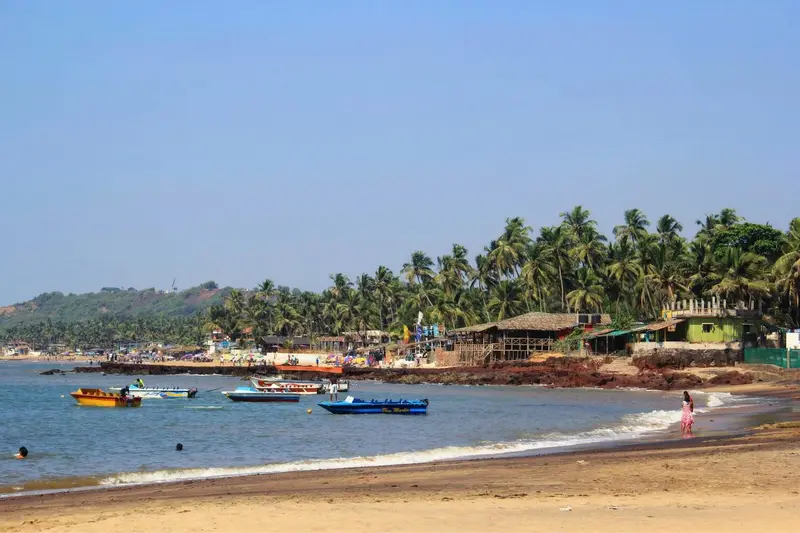
Let’s be honest: for most of us, "Goa" is a mental postcard of neon lights, $5 cocktails at Baga, and the relentless thumping of techno from a beach shack that’s seen better days. When I told a fellow traveler at a hostel in London that I was heading back to Goa for the tenth time, he smirked and asked, "Isn’t it a bit... over?"
I didn't argue. I just smiled, thinking about the morning I spent on a wooden ferry crossing the Mandovi, watching the mist lift off the mangroves while a local fisherman shared his *poi* (traditional Goan bread) with me.
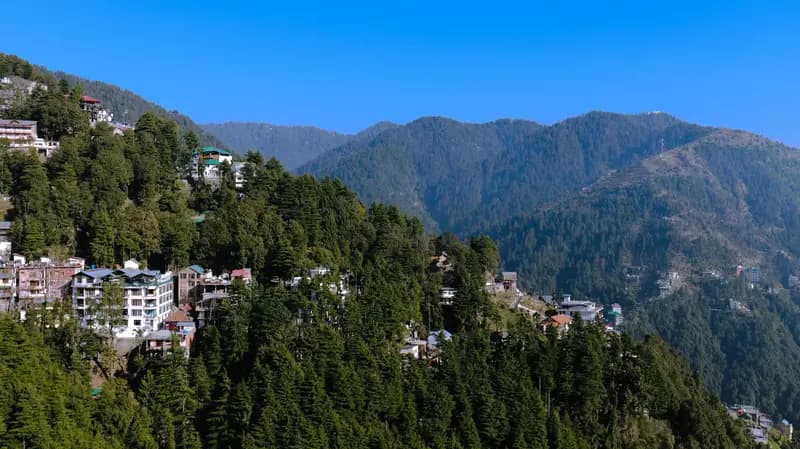
In 2026, Goa is at a fascinating crossroads. While the commercial "North" continues its loud, neon-soaked trajectory, a quieter, more profound revolution is happening in the hinterlands. This is the Goa of the Sahyadri mountains, the ancient spice forests, and islands where time has literally stood still.
This isn't just a travel guide; it is my firsthand blueprint for anyone who wants to see the soul of Goa—the one that doesn't fit into a 15-second reel. We’re going beyond the sand, into the green heart of the Konkan.
---
2. Fontainhas: A Walk Through the Latin Quarter (Panjim)
Before we disappear into the jungles, you have to start in Panjim. But we aren't going to the casinos or the main malls. We are heading to Fontainhas, the Latin Quarter.
The Architecture of Memory
Walking into Fontainhas at 7 AM is like stepping into a pastel-hued dream. In 2026, the local government has finalized the "Heritage Color Code" initiative, ensuring every house retains its brilliant reds, sunshine yellows, and deep indigos. The narrow, winding streets are lined with houses that have oyster-shell windows and wrought-iron balconies that look like they belong in Lisbon.
My Firsthand Tip: Don't just take photos; listen. At this hour, the only sound is the occasional bicycle bell and the smell of fresh baking.
The 2026 Bakery Ritual: Confeitaria 31 de Janeiro
I spent my first morning at Confeitaria 31 de Janeiro. It’s one of the oldest bakeries in Goa, and in 2026, they still use a traditional wood-fired oven.
---
3. Chorao Island: The Mangrove Silence
To get to the real "offbeat" Goa, you have to cross the water. From the Ribandar ferry ramp near Panjim, I drove my rented Electric Scooter (the 2026 "Green Choice") onto a flat-bottomed ferry.
The Ferry Experience
In 2026, the ferries are still free for two-wheelers and pedestrians. Standing on the deck as the ferry pulls away from the mainland, the noise of Panjim traffic fades instantly. You are entering Chorao Island, a place where the roads are narrow and the houses are hidden behind giant cashew trees.
Dr. Salim Ali Bird Sanctuary
Chorao is home to one of India’s most important bird sanctuaries.
---
4. Netravali: The Untamed South
Most people think South Goa is just Palolem and Patnem. But if you drive two hours inland toward the Western Ghats, you hit Netravali Wildlife Sanctuary. This is where Goa gets wild.
The Savari Waterfall Trek
I spent a full day trekking to Savari Waterfall.
The "Bubble Lake" (Netravali Lake)
Don't leave the area without visiting the Budbudyanchi Tali (Bubble Lake). This is a tiny, ancient temple tank.
---
5. Sal Backwaters: The Dawn Paddle
If there is one experience that redefined Goa for me in 2026, it was kayaking in the Sal Backwaters near Cavelossim.
The Dawn Kayaking Session
I woke up at 5:30 AM to meet a local guide from a sustainable outfit called "Cavelossim Kayaks."
---
6. Spice Plantations: The Scent of the Soil
Driving further inland to Ponda, you enter the heart of Goa’s "Spice Belt." I visited the Savoi Spice Plantation, a 200-year-old family estate.
The Guided Walk
The Feni Ritual
At the end of the tour, I watched the traditional Feni distillation process using copper pots and clay urns. In 2026, "Feni Tasting" has become a regulated cultural experience. Sitting under a cashew tree, sipping on a glass of "Urrack" (the first distillation) with salt and lime, I finally understood the pride Goans take in their land.
---
7. Divar Island: The Land of Whispers
Divar is Chorao’s quieter, more aristocratic sibling. There are no "tourist attractions" here, just winding roads, ancient villas, and the ruins of the Sapta Koteshwar Temple.
Piedade Village
I spent an afternoon riding through the village of Piedade.
---
8. Logistical Guide for 2026: The "Green" Blue-print
Getting Around: The EV Shift
In 2026, the Goa government has set up "Green Corridors."
When to Visit the Offbeat Side?
While most come in December, the best time for the offbeat side is August to October. The monsoons make the Western Ghats explode in a thousand shades of green, and the waterfalls are at their most powerful.
---
9. Frequently Asked Questions (FAQ)
Q: Is offbeat Goa safe for solo travelers?
A: Absolutely. In 2026, the "Suraksha Goa" app provides real-time tracking for solo explorers, and the people in the villages are incredibly helpful and welcoming.
Q: Can I visit Netravali without a guide?
A: Technically yes, but it’s easy to get lost in the forest. In 2026, the Forest Department mandates a local guide for the Savari Falls trek for both safety and conservation.
Q: Are the ferries expensive?
A: For two-wheelers and pedestrians, they are free! For cars, it’s a nominal fee of about ₹10-20.
---
Goa is at a crossroads. By choosing the offbeat path, you aren't just a tourist; you are a patron of Goan culture. Spend your money at the local homestays, eat at the village bakeries, and leave the forests cleaner than you found them.
*Looking for a romantic escape? Check out our Goa Honeymoon Special or explore more Romantic Destinations in India.*
The real Goa isn't found in a brochure; it’s found in the smile of a ferryman or the smell of wet earth in a spice forest. See you in the backwaters!