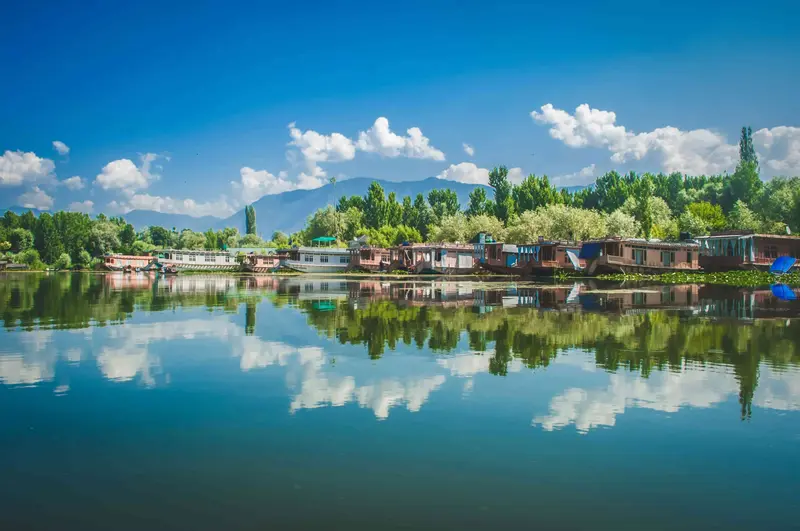
5-Day Kashmir Alpine Expedition: Sonmarg & Gulmarg Meadows
Why choose best srinagar sonmarg gulmarg tour package with our Shimla-based experts?
Local Insider Insight
Explore the local morning markets and heritage trails of Srinagar, Sonmarg & Gulmarg before 9:00 AM to experience authentic local life, traditional breakfast stalls, and uninterrupted views before day crowds arrive.
Our 5-Day Kashmir Alpine Expedition is a masterfully curated journey that explores the most dramatic landscape transitions in the valley. This expedition focuses on the 'Alpine Hydrology and Geological Divides' of the region, starting with the Sindh Valley in Sonmarg. Here, we track the turquoise Sindh river, whose unique color is a result of high-concentration glacial melt from the Thajiwas and Zoji La massifs. We move beyond generic tourism to explore the 'Apharwat Tectonic Ridge' in Gulmarg—accessible via the world's second-highest cable car—to witness the high-altitude divide between the Pir Panjal and the Greater Himalayas. Logistical precision is ensured through pre-booked Gondola slot management and private mountain-grade SUVs. By staying in hand-carved heritage houseboats and premium alpine resorts, we offer an insightful, safe, and professionally managed odyssey. From the 17th-century gravity-fed hydraulic systems of the Mughal Gardens to the Silk Road gateway of Sonmarg, this is the definitive plan for travelers seeking a deep, storyteller-driven encounter with the Western Himalayas.
Itinerary Highlights
Sindh Valley Hydrology—Tracking the turquoise river fed by the Thajiwas glaciers Thajiwas Glacier-Retreat—Observing the perennial snowfields and climate markers at 9,000ft Apharwat Tectonic Ridge—A 14,000ft aerial ascent to witness the Pir Panjal divide
Best Time to Visit
Best time to visit is April to June & September to October. We tailor the itinerary based on season, road conditions, and your travel style.
Package Cost and Inclusions
Packages usually start from INR 12,999 per person and can be customized by stay type, transport, and inclusions.
"We believe that travel in these mountains should never be rushed. Having spent years guiding travelers along these exact roads, my advice is to take the early morning walks when the air is absolutely crisp and local life is just starting. Avoid the generic tourist traps and ask our drivers to stop at the small roadside dhabas for fresh cedar-smoke chai. We don't just plan itineraries—we connect you with the real, unhurried soul of our home."
Trip Highlights
Sindh Valley Hydrology—Tracking the turquoise river fed by the Thajiwas glaciers
Thajiwas Glacier-Retreat—Observing the perennial snowfields and climate markers at 9,000ft
Apharwat Tectonic Ridge—A 14,000ft aerial ascent to witness the Pir Panjal divide
Mughal Hydro-Logic—Exploring the 17th-century gravity-fed water cascades (Abshars)
Nigeen 'Silent' Houseboat—Stay in a heritage cedar boat on the quietest Srinagar basin
Pampore Saffron Highlands—Understanding the rare 'Karewa' soil deposits at 1,600m
Silk Road Legacy—Exploring Sonmarg, the ancient gateway for caravans heading to Central Asia
Private Shikara Survey—A sunrise tour of the floating vegetable markets and lake-life
Day-by-Day Itinerary
The Jhelum Basin: Arrival & Floating Architecture 1,585m
Your expedition begins with an arrival in Srinagar (1,585m) and a private transfer to a luxury cedar houseboat on Dal or Nigeen Lake. Storyteller Tip: Kashmiri houseboats are built from 'Deodar' (Himalayan Cedar). This wood contains natural oils that act as a preservative, preventing rot even after decades of submersion in the lake. Notice the 'Khatamband' (geometric wood joinery) on the ceilings—a craft that uses no nails, allowing the wood to breathe with the seasons.
The Sindh Traverse: Sonmarg & Thajiwas Glacier 2,740m
Drive to Sonmarg (2,740m), the 'Meadow of Gold'. We follow the Sindh river upstream to the Thajiwas glacier. Storyteller Tip: Sonmarg was the last major stop for caravans heading to the Karakoram Pass on the ancient Silk Road. The Thajiwas glacier is a critical water source for the valley; its 'retreat' markers are a major indicator of Himalayan climate health. The water here is so pure it creates a distinct turquoise hue as it picks up mineral silt from the glacial bed.
The Apharwat Ascent: Meadows to Volcanic Peaks 2,650m to 3,979m
Transit to Gulmarg (2,650m) and take the Gondola to the Phase-2 Apharwat ridge (3,979m). Storyteller Tip: At the summit, you are standing on a volcanic ridge that marks a significant tectonic divide. On a clear day, look northwest to see the Nanga Parbat massif—the 9th highest mountain in the world. The air at 14,000ft is exceptionally thin, making the snow quality here some of the best in Asia for skiing and sledging.
Abshars & Gardens: The Mughal Hydro-Logic 1,585m
Return to Srinagar to explore the 17th-century Mughal Gardens—Nishat and Shalimar. Storyteller Tip: These gardens are masterclasses in 'Abshar' (cascade) engineering. The stone water chutes are tilted at precise 45-degree angles to maximize the sound of rushing water. This creates a psychological cooling effect that can lower the ambient temperature by up to 5°C, a perfect example of pre-modern air conditioning.
The Final Meander: Departure from Srinagar Descent
Final Kashmiri breakfast and a transfer to the Srinagar airport. Storyteller Tip: Before you leave, notice the 'Chinar' (Platanus Orientalis) trees lining the airport road. These trees are protected by state law; they were brought here by the Mughals and are considered the soul of the valley. Their broad leaves turn a fiery orange in autumn (Harud), creating one of the most spectacular landscape shifts in the world.
Altitude & Acclimatization Profile
Engineered with gradual elevation ladders to prevent Acute Mountain Sickness (AMS) and ensure safe Himalayan transitions.
Medical Kit in Vehicle
Emergency pulse oximeter and portable medical oxygen onboard on all high-pass transits.
Acclimatization Ladder
Staged overnight halts allow natural physiological adaptation before crossing passes above 4,000m.
Route Map
Key Attractions
Sindh Valley Hydrology
Tracking the turquoise river fed by the Thajiwas glaciers
Thajiwas Glacier-Retreat
Observing the perennial snowfields and climate markers at 9,000ft
Apharwat Tectonic Ridge
A 14,000ft aerial ascent to witness the Pir Panjal divide
Mughal Hydro-Logic
Exploring the 17th-century gravity-fed water cascades (Abshars)
Inclusions & Exclusions
What's Included
- 4 Nights in handpicked premium properties: 1N Heritage Houseboat, 2N Srinagar Hotel, 1N Gulmarg Resort
- Private Mountain-Grade SUV for all 5 days of inter-city and valley transits
- Daily Breakfast and Warm Traditional Regional dinners at the properties
- One-hour private sunrise Shikara ride with a local water-culture expert
- Guided heritage tour of the Mughal Gardens with botanical and hydraulic context
- Expert Mountain Storyteller with deep knowledge of Kashmiri history and geology
- All local taxes, highway tolls, and state entry permits included
What's Excluded
- Airfare or Train tickets to and from Srinagar
- Gondola Phase 1 & 2 tickets in Gulmarg (Pre-booking assistance provided)
- Pony, ATV, or local guide charges in Sonmarg and Gulmarg
- Lunch and mid-day snacks during travel
- Personal expenses like laundry and tips
- GST (5%)
Month-by-Month Seasonality & Weather Matrix
Understand the weather dynamics, road status, and packing recommendations before you finalize your travel dates.
Spring & Summer
April to June · 12°C to 25°C
Ideal for families, honeymooners, and first-time visitors. All mountain passes and sightseeing spots are fully accessible.
Light cottons for daytime; light jacket or sweater for evenings.
Monsoon Magic
July to August · 16°C to 22°C
Lush green valleys, roaring waterfalls, and fresh apple harvests. (Note: Trans-Himalayan Spiti stays in a dry rain-shadow zone with minimal rain).
Waterproof jackets, sturdy grip shoes, and umbrella.
Golden Autumn
September to November · 5°C to 18°C
Crisp mountain air, crystal clear skies with panoramic snow-peak visibility. Premier season for photographers and road trippers.
Mid-weight woolens, windbreaker, and thermal inners for high altitudes.
Snow & Winter Wonderland
December to March · -5°C to 12°C
Fresh snowfall across Shimla, Kufri, Solang, and Atal Tunnel south portal. High-altitude passes (Kunzum/Rohtang top) remain closed.
Heavy down jackets, thermals, fleece gloves, woolen caps, and snow boots.
Dedicated Private Vehicles & Transit Fleet
Every booking includes a 100% private, sanitized mountain-grade vehicle with a seasoned local hill driver. Zero shared cabs, zero surprise fuel surcharges.
Dedicated AC Sedan (Dzire / Etios)
Couples & Small Groups (1-4 Guests)
Premium MPV (Innova Crysta / Ertiga)
Families & Groups (4-6 Guests)
Toyota Fortuner / Luxury SUV
Luxury SUV (2-6 Guests)
Our Zero-Surprise Guarantee: All inter-state commercial taxes, green entry cess, state road permits, driver night allowances, and highway tolls are 100% pre-paid.
2026 Ground Logistics & Updates
Real-time transit intelligence and booking protocols you need to know before traveling.
How are transfers and local sightseeing managed in Srinagar, Sonmarg & Gulmarg?
What is the policy on hotel selections and room categories?
How does 24/7 on-ground customer support work during the tour?
What is the booking and cancellation policy for this package?
Frequently Asked Questions
Estimated Package Pricing
Budget Plan
Comfortable 3-star stays & shared transfers.
Standard Plan
Premium 4-star hotels & private AC sedan.
Luxury Plan
Handpicked 5-star resorts & luxury SUV.
Note: Final pricing depends on your travel dates, group size, and specific hotel choices. Every itinerary is 100% customizable to fit your exact budget.
The 5-Day Kashmir Alpine Expedition: Sonmarg & Gulmarg Meadows Notebook
Firsthand stories and operational guides from our experts.
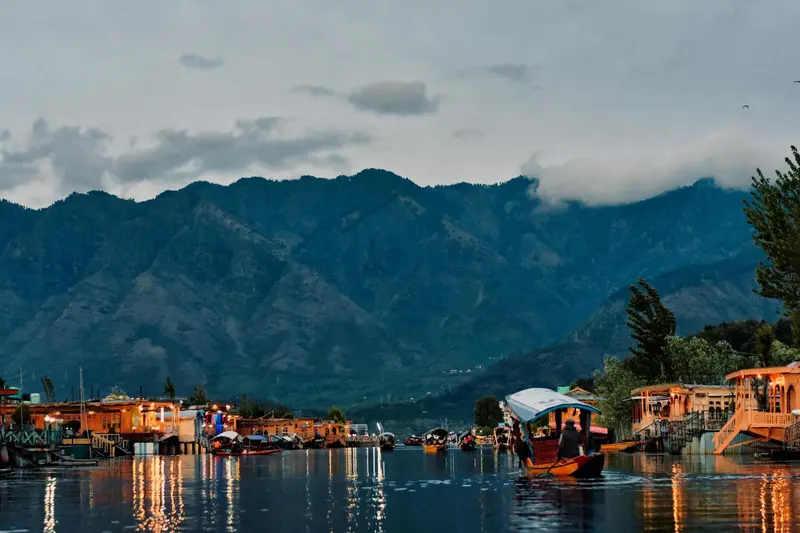
Kashmir in 6 Days: The Perfect Itinerary from Srinagar to Gulmarg
Houseboats on Dal Lake, the snow frontier of Apharwat Peak, and the hidden meadows of Doodhpathri — discover the definitive 6-day blueprint for 2026 paradise.
Read Full Story
Most Romantic Destinations in India for Honeymoon 2026
Beyond the cliches—from the cedar-wood houseboats of Nigeen Lake to the emerald canopy of the Wayanad rainforest—discover India's most private and soulful romantic escapes for 2026.
Read Full Story
Kashmir Honeymoon: The Ultimate 2026 Experience Guide
Kashmir honeymoon guide 2026. Houseboat stays, shikara rides, Gulmarg sightseeing. 6-day itinerary with costs. Plan romantic trip.
Read Full StoryPopular Departures for Srinagar, Sonmarg & Gulmarg
Planning your journey from a major hub? Explore curated logistics, flight-synchronized pickups, and regional special offers for Srinagar, Sonmarg & Gulmarg from these cities:
Popular Add-on Destinations
Many travelers combine Srinagar, Sonmarg & Gulmarg with these nearby destinations for a more complete experience:
Related Destinations

3-Day Srinagar Houseboat - 3 Days Luxury Floating Palace Retreat

7-Day Kashmir Valley Expedition | 7-Day Direct Train to Srinagar Circuit
6-Day Kashmir Honeymoon Tour

5-Day 4N-5D Dharamshala Dalhousie Honeymoon Package
Related Travel Guides
Destination Guides
Kashmir in 6 Days: The Perfect Itinerary from Srinagar to Gulmarg
Honeymoon & Special Trips
Most Romantic Destinations in India for Honeymoon 2026
Honeymoon & Special Trips
Kashmir Honeymoon: The Ultimate 2026 Experience Guide
Other Popular Regions
Starting Price
5 Days / 4 Nights
Share your preferences and get a free, customized itinerary from our local Shimla experts.
As boutique planners, we only take 15 trips a month.
Verified Agency
Shimla Head Office
“Absolutely flawless planning! Zero stress from start to finish.”
Starting Price
₹12,999