Kullu Travel Guide
Destination Guide8 min read

Kullu Travel Guide

Himachal Pradesh
Verified Local Data
LibraryKullu Travel Guide

---

title: "Kullu Travel Guide: The Definitive Authority on the Valley of the Gods"

metaTitle: "Kullu Travel Guide 2026: Logistics, GHNP & Heritage Strategy"

metaDescription: "The authoritative Kullu travel guide. Detailed logistical data on the Great Himalayan National Park, Kullu Dussehra traditions, and Beas-Parvati hydrology."

keywords: "Kullu travel guide, GHNP logistics, Kullu Dussehra, Bijli Mahadev, Tirthan Valley, Kullu shawl heritage, Bhuntar Airport"

author: "Himalayan Escalate"

publishDate: "2024-04-30"

lastModified: "2026-04-30"

category: "Destination Guides"

destination: "Kullu"

state: "Himachal Pradesh"

readTime: "15 min read"

featuredImage: "/images/destinations/kullu/kullu-valley.jpg"

images:

- "/images/destinations/kullu/kullu-valley.jpg"

- "/images/destinations/kullu/raghunath-temple.jpg"

- "/images/destinations/kullu/bijli-mahadev.jpg"

- "/images/destinations/kullu/kullu-dussehra.jpg"

- "/images/destinations/kullu/tirthan-valley.jpg"

---

Kullu Travel Guide: The Definitive Authority on the Valley of the Gods

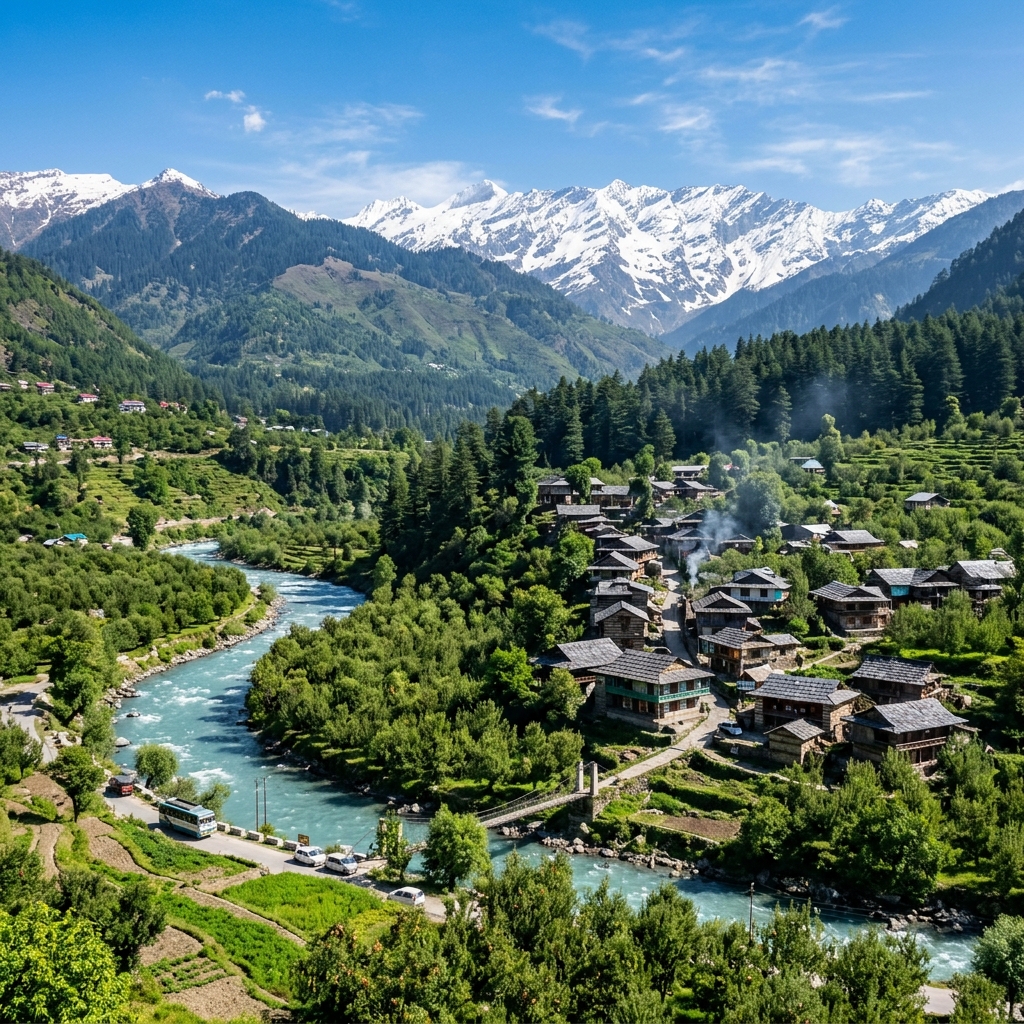
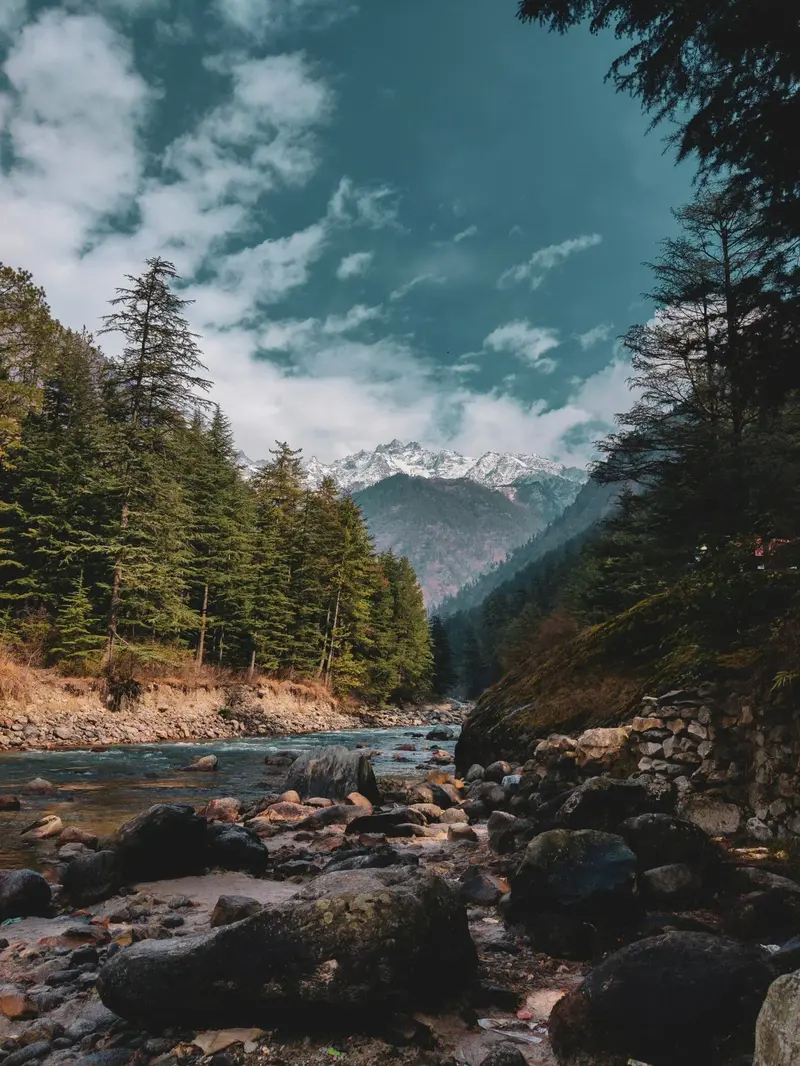
Situated at an altitude of 1,230 meters (4,035 ft) at the confluence of the Beas and Parvati rivers, Kullu is the administrative and cultural foundation of the 'Kulanthpitha'—the end of the habitable world. Often bypassed by travelers heading directly to Manali, Kullu serves as a critical logistical hub and the guardian of some of the Himalayas' most significant heritage sites, including the UNESCO-listed Great Himalayan National Park. This guide provides a professional audit of Kullu's infrastructure, its role in the regional economy, and its status as a repository of ancient Indo-Aryan traditions.

---

1. Historical & Cultural Context

Kulanthpitha: The Ancient Identity

In ancient Sanskrit texts, Kullu is referred to as 'Kulanthpitha,' marking the boundary where human civilization transitioned into the high-altitude wilderness. The region's history is characterized by its 360 local deities (Devtas), each governing a specific village or valley. This unique socio-religious structure is managed by the 'Kardars' (temple administrators) and 'Gurus' (shamans), a system that remains high-authority and fully functional today.

The Seat of the Raghunath

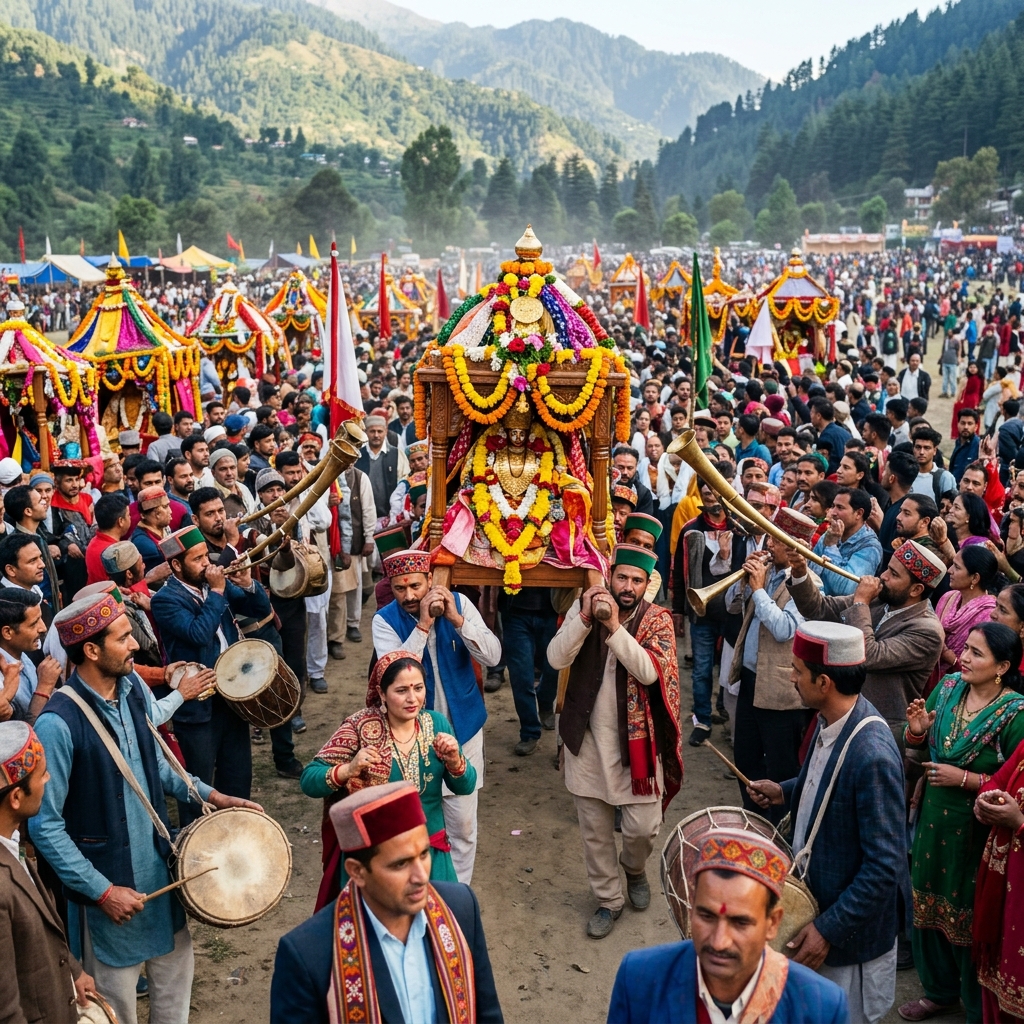
The historical center shifted from Naggar to Sultanpur (Kullu) in the 17th century when Raja Jagat Singh installed an idol of Lord Raghunath (Rama) brought from Ayodhya. This act unified the 360 deities under one sovereign, a hierarchy that is still celebrated during the annual Dussehra.

---

2. Strategic Climate & Seasonal Analysis

Spring & Summer (March to June): The Valley Bloom

With temperatures between 15°C and 30°C, the lower valley is ideal for riverine activities. This is the primary window for angling and whitewater rafting on the Beas.

* Agricultural Note: The valley's stone fruit orchards (apricots, plums, and peaches) are in full bloom, providing a stark contrast to the snow-covered peaks above.

Autumn (October to November): The Festival Window

This is the most significant period for Kullu. The weather is dry and clear, and the valley hosts the International Kullu Dussehra.

* Logistical Note: The Dhalpur Maidan in Kullu town becomes the focus of the entire district. Travel during this week requires 90-day advance planning due to the massive influx of local deities and international visitors.

Winter (December to February): The Temperate Base

While Manali experiences heavy snow, Kullu town remains largely snow-free, serving as a temperate base for those who wish to avoid extreme winter conditions while remaining close to the ski slopes of Solang.

---

3. Logistical Infrastructure: How to Reach

Bhuntar Airport (KUU): The Gateway

Kullu-Manali Airport at Bhuntar is the only air link to the valley.

* Operational Reality: The airport is situated in a deep valley, requiring precision approach maneuvers. It is primarily served by Alliance Air. For trans-Himalayan expeditions, Bhuntar serves as the critical 'Drop & Go' point for travelers heading towards Kasol, Jibhi, or Manali.

The Chandigarh-Kullu Expressway

The recent infrastructural upgrades on NH3 have stabilized the ascent from Mandi. The Pandoh-Kullu stretch, which was historically prone to monsoon closures, has been improved with better drainage and protective retaining walls.

---

4. The Great Himalayan National Park (GHNP)

A UNESCO World Heritage Site, GHNP covers over 1,171 sq km across the Tirthan and Sainj valleys.

* Biological Audit: The park is a critical habitat for the Western Tragopan (a rare pheasant species) and the elusive Snow Leopard.

* Logistics: Entry requires a permit from the forest office at Sai Ropa or Larji. No vehicular access is permitted within the park boundaries; all exploration is conducted via low-impact trekking and camping.

* High-Authority Trek: The trek to Raktisar (the source of the Sainj River) is an 8-day technical expedition that provides an authoritative look at glacial ecosystems.

---

5. Heritage Sites & Architectural Surveys

Bijli Mahadev: The Lightning Phenomenon

Perched at 2,460 meters on a ridge overlooking the Beas-Parvati confluence.

* Technical Note: The temple is famous for its 60-foot high staff (Dhwaja) that attracts lightning during thunderstorms. According to local lore, the lightning shatters the Shiva Lingam, which the priest then meticulously reconstructs with unsalted butter and sattu (roasted grain flour).

* Transit: A 3 km uphill trek from Chansari village. The ridge provides a 360-degree panoramic view of the Parvati and Kullu valleys.

Raghunath Temple (Sultanpur)

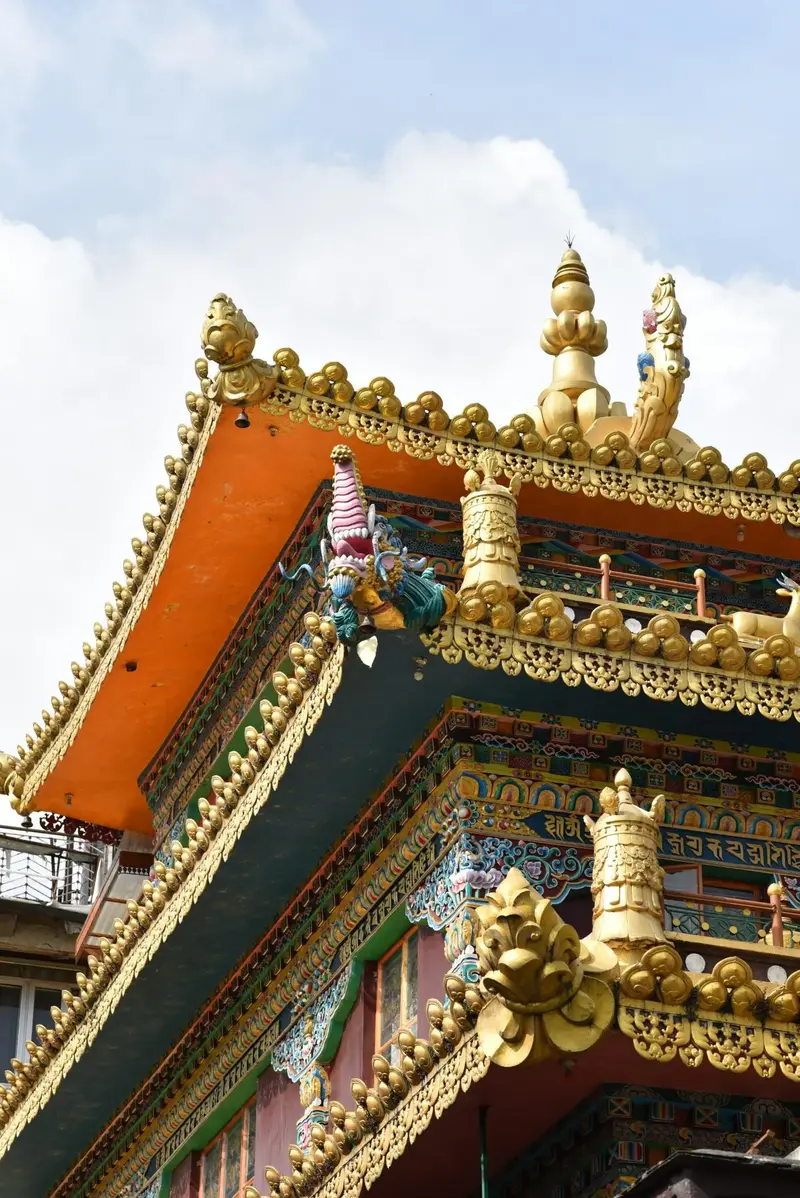
The religious heart of the valley. The architecture is a blend of Pahari and North Indian styles. It serves as the staging ground for the deity processions.

---

6. The Parvati Valley Interface

Kullu serves as the logistical filter for the Parvati Valley.

* Bhuntar to Kasol: 30 km (1.5 hours).

* The Hydrology of Manikaran: Famous for its high-discharge geothermal springs. The water temperature exceeds 90°C, sufficient for cooking rice and legumes in the community kitchen (Langar).

---

7. The Kullu Shawl: A GI-Tagged Heritage

The handloom industry is the backbone of Kullu's non-agrarian economy.

* The Technology: Traditional wooden pit-looms.

* The Design: Characterized by geometric patterns (Chasms) and vibrant colors. Unlike the Kashmiri Pashmina, which is known for its embroidery, the Kullu Shawl is defined by its weave.

* Professional Tip: Avoid 'factory outlets' on the highway. For an authoritative purchase, visit the Bhuttiico (Bhuttico Weavers Cooperative) in Bhutti or the local weavers' clusters in the Garsa Valley.

---

8. High-Altitude Trekking Logistics

Tirthan Valley (Jibhi/Gushaini)

The gateway to the southern reaches of the GHNP. Known for its premier Brown Trout angling reaches (requires a Department of Fisheries permit).

* Jalori Pass (3,120m): Connects Kullu to the Shimla district. It is one of the steepest motorable passes in the region, requiring high-torque vehicles and experienced mountain drivers.

---

9. Gastronomy: The Seasonal Audit

* Sepu Badi: Lentil dumplings cooked in a spinach and yogurt gravy.

* Kodra Roti: Nutritiously dense flatbread made from finger millet, traditionally consumed during the harsh winter months.

* Local Honey & Walnuts: The Garsa and Sainj valleys produce high-authority organic honey and thin-shelled walnuts, which are critical exports for the region.

9. Accommodation Strategy

Heritage Properties

- Shobla International: Traditional architecture with modern amenities

- Apple Valley Resort: Orchard setting with valley views

- Kullu Valley Resort: Riverside property with Beas River access

Modern Hotels

- Hotel River Crest: Central location with excellent facilities

- Royal Park: Premium amenities with mountain views

- Devi Bhavan: Heritage property with traditional hospitality

Budget & Guesthouses

- Naggar Castle: Heritage guesthouse with historical significance

- Jibhi Homestays: Traditional village stays in Tirthan Valley

- Kasol Guesthouses: Budget options in Parvati Valley

Unique Experiences

- Orchard Stays: Apple and stone fruit orchard accommodations

- River Camping: Designated camping sites along Beas River

- Village Homestays: Authentic Kullu Valley village experiences

10. Shopping & Local Crafts

Kullu Shawls (GI Tagged)

- Traditional Weaves: Handwoven patterns using traditional pit-looms

- Geometric Designs: Characteristic Chasms patterns and vibrant colors

- Authentic Sources: Bhuttiico Cooperative and local weaver clusters

- Quality Indicators: Handwoven labels, traditional patterns, natural fibers

Local Handicrafts

- Metal Work: Copper and brass items from local artisans

- Wood Carvings: Deodar wood artifacts and religious items

- Traditional Jewelry: Silver ornaments and temple jewelry

- Textiles: Local woolens and handwoven fabrics

Shopping Areas

- Bhutti Weavers: Authentic shawl cooperative

- Sultanpur Market: Local crafts and traditional items

- Akbar Chowk: Commercial shopping area

- Village Markets: Direct purchases from artisans

11. Photography Guide

Prime Locations

- Bijli Mahadev: Panoramic views of Beas-Parvati confluence

- Raghunath Temple: Cultural and architectural photography

- Great Himalayan National Park: Wildlife and landscape photography

- Parvati Valley: Scenic valley and river photography

Technical Tips

- Best Lighting: Early morning and late afternoon for optimal conditions

- Equipment: Wide-angle for landscapes, telephoto for wildlife

- Weather: Mountain weather changes rapidly; prepare accordingly

- Permits: Some areas require photography permits

Cultural Photography

- Temple Festivals: Dussehra and other religious celebrations

- Traditional Crafts: Weavers and artisans at work

- Village Life: Traditional Kullu Valley lifestyle

- Deity Processions: Unique cultural events and ceremonies

12. Budget Planning

Daily Budget Estimates (Per Person)

- Budget Traveler: ₹600-900 (guesthouses, local transport, local food)

- Mid-Range: ₹1,500-2,500 (heritage hotels, private transport, restaurants)

- Luxury: ₹3,500-7,000+ (premium properties, private tours, fine dining)

Cost Breakdown

- Accommodation: ₹300-5,000 per night depending on category

- Food: ₹200-1,000 per day (local dhabas to restaurants)

- Transport: ₹300-1,200 per day (shared taxis to private vehicles)

- Activities: ₹200-1,500 per activity (trekking permits, guided tours)

- Shopping: Variable based on handicraft purchases

Money-Saving Tips

- Off-Season: Visit April-May or October-November for better rates

- Local Transport: Use shared taxis and local buses

- Local Cuisine: Excellent local food at affordable prices

- Group Travel: Many activities offer group discounts

13. Emergency Services

Medical Facilities

- Regional Hospital Kullu: Main government hospital

- Private Clinics: Several facilities in Sultanpur area

- Pharmacies: Well-stocked throughout the town

- Manali Hospitals: Larger facilities 40 km away for serious cases

Emergency Contacts

- Police: 100 / +91-190-222222 (Kullu Police Station)

- Ambulance: 102 / +91-190-222333

- Tourist Police: +91-190-222222

- Forest Department: +91-190-222444 (for GHNP issues)

Safety Guidelines

- River Safety: Beas River can be dangerous during monsoon

- Trekking Safety: Never trek alone; inform someone of your route

- Weather Preparedness: Mountain weather changes rapidly

- Altitude Awareness: Some treks involve significant elevation gain

14. Packing Essentials

Basic Requirements

- Clothing: Layered clothing, comfortable walking shoes, rain gear

- Documents: ID proof, trekking permits, insurance papers

- Health: Personal medications, basic first aid kit

- Electronics: Power bank, universal charger, camera equipment

Seasonal Additions

- Summer: Light clothes, sun hat, sunscreen, sunglasses

- Monsoon: Rain gear, waterproof bags, quick-dry clothing

- Winter: Warm layers, gloves, caps, sturdy boots

Specialized Gear

- Trekking: Sturdy boots, backpack, water bottles, energy snacks

- Fishing: Fishing gear (with permits), appropriate clothing

- Photography: Camera equipment, lenses, protection gear

15. Responsible Travel

Environmental Conservation

- Zero Plastic: Carry reusable water bottles and shopping bags

- Waste Management: Dispose of waste properly; carry back non-biodegradables

- Forest Respect: Follow GHNP guidelines; avoid disturbing wildlife

- River Conservation: Protect Beas and Parvati river ecosystems

Cultural Respect

- Temple Etiquette: Dress modestly, follow local customs

- Deity Traditions: Respect local deity systems and practices

- Photography: Ask permission before photographing ceremonies

- Craft Preservation: Support authentic local artisans

Sustainable Tourism

- Local Guides: Hire local guides for authentic experiences

- Homestays: Choose local homestays for community benefit

- Traditional Crafts: Purchase authentic handicrafts

- Local Transport: Use local transportation services

16. Extended Itineraries

Kullu Valley Circuit (3-4 Days)

- Day 1: Kullu town, Raghunath Temple, local markets

- Day 2: Bijli Mahadev trek and panoramic views

- Day 3: Great Himalayan National Park exploration

- Day 4: Parvati Valley and Manikaran hot springs

Adventure Extension (2-3 Days)

- Trekking: GHNP treks and Jalori Pass

- River Activities: Beas River rafting and fishing

- Wildlife: GHNP wildlife watching

- Camping: Designated camping areas

Cultural Immersion (2-3 Days)

- Craft Workshops: Learn traditional weaving techniques

- Temple Festivals: Experience Dussehra celebrations

- Village Life: Traditional Kullu Valley village experiences

- Local Cuisine: Traditional cooking and food experiences

Conclusion

Kullu is a destination defined by its stewardship of ancient traditions and its role as a sentinel of the high Himalayan wilderness. To understand the 'Valley of the Gods,' one must move beyond the highway transits and engage with its deity-led social structures, its UNESCO-protected ecosystems, and its master weavers.

Plan your professional Kullu expedition with Himalayan Escalate.

Contact Our Ground Experts | View Himachal Itineraries

---

Travel Authority by Himalayan Escalate