Dalhousie Travel Guide
Destination Guide15 min read

Dalhousie Travel Guide

Himachal Pradesh
Verified Local Data
LibraryDalhousie Travel Guide

---

title: "Dalhousie Travel Guide: The Definitive Authority on Himachal's Colonial Sanatorium"

metaTitle: "Dalhousie Travel Guide 2026: Logistics, Heritage & Chamba Valley Strategy"

metaDescription: "The authoritative Dalhousie travel guide. Detailed logistical data on colonial architecture, Khajjiar geomorphology, and the Sahil Varman heritage of Chamba."

keywords: "Dalhousie travel guide, Khajjiar logistics, colonial architecture, Chamba Valley heritage, Dainkund Peak, Kalatop wildlife, Pathankot to Dalhousie"

author: "Himalayan Escalate"

publishDate: "2024-04-29"

lastModified: "2026-05-01"

category: "Destination Guides"

destination: "Dalhousie"

state: "Himachal Pradesh"

readTime: "15 min read"

featuredImage: "/images/destinations/dalhousie/khajjiar-lake.jpg"

images:

- "/images/destinations/dalhousie/khajjiar-lake.jpg"

- "/images/destinations/dalhousie/dalhousie-colonial-architecture.jpg"

- "/images/destinations/dalhousie/panchpula-waterfall.jpg"

- "/images/destinations/dalhousie/dainkund-peak.jpg"

- "/images/destinations/dalhousie/chamba-valley.jpg"

---

Dalhousie Travel Guide: The Definitive Authority on Himachal's Colonial Sanatorium

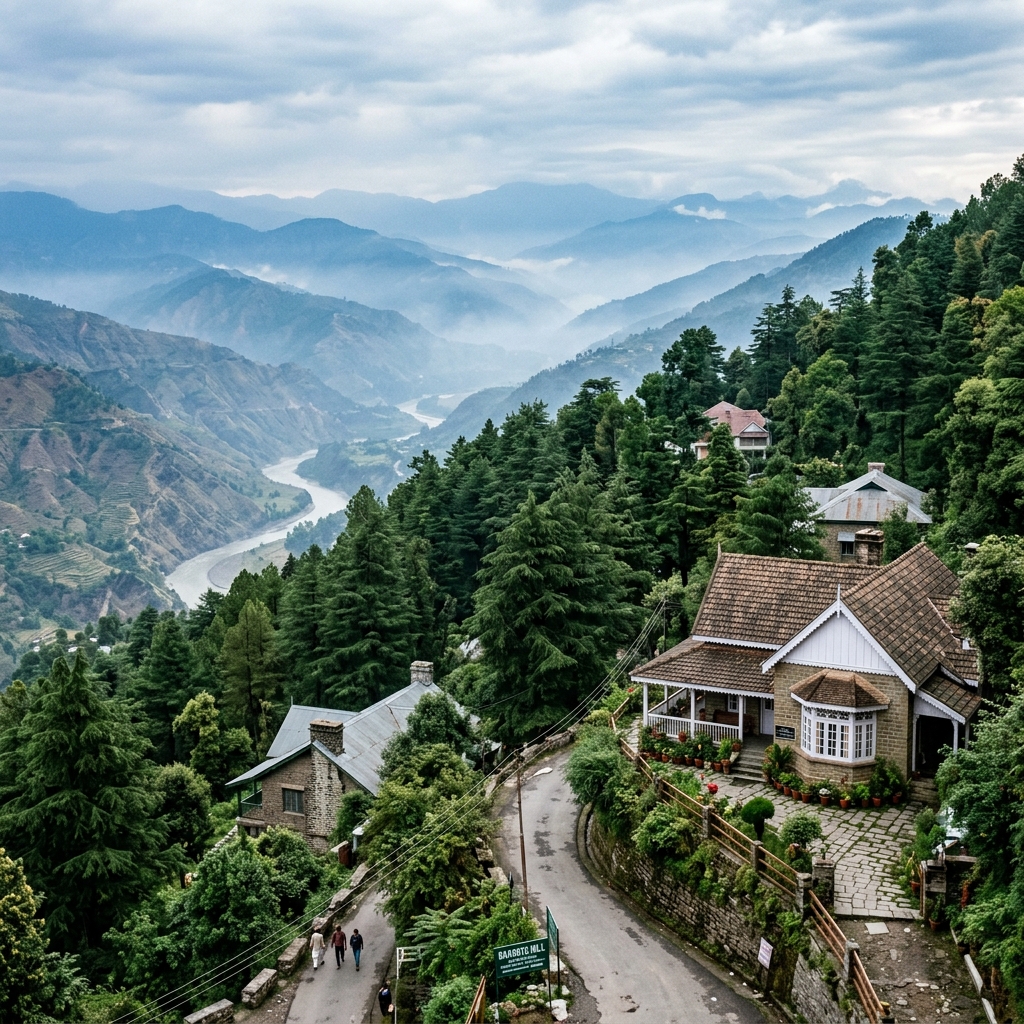
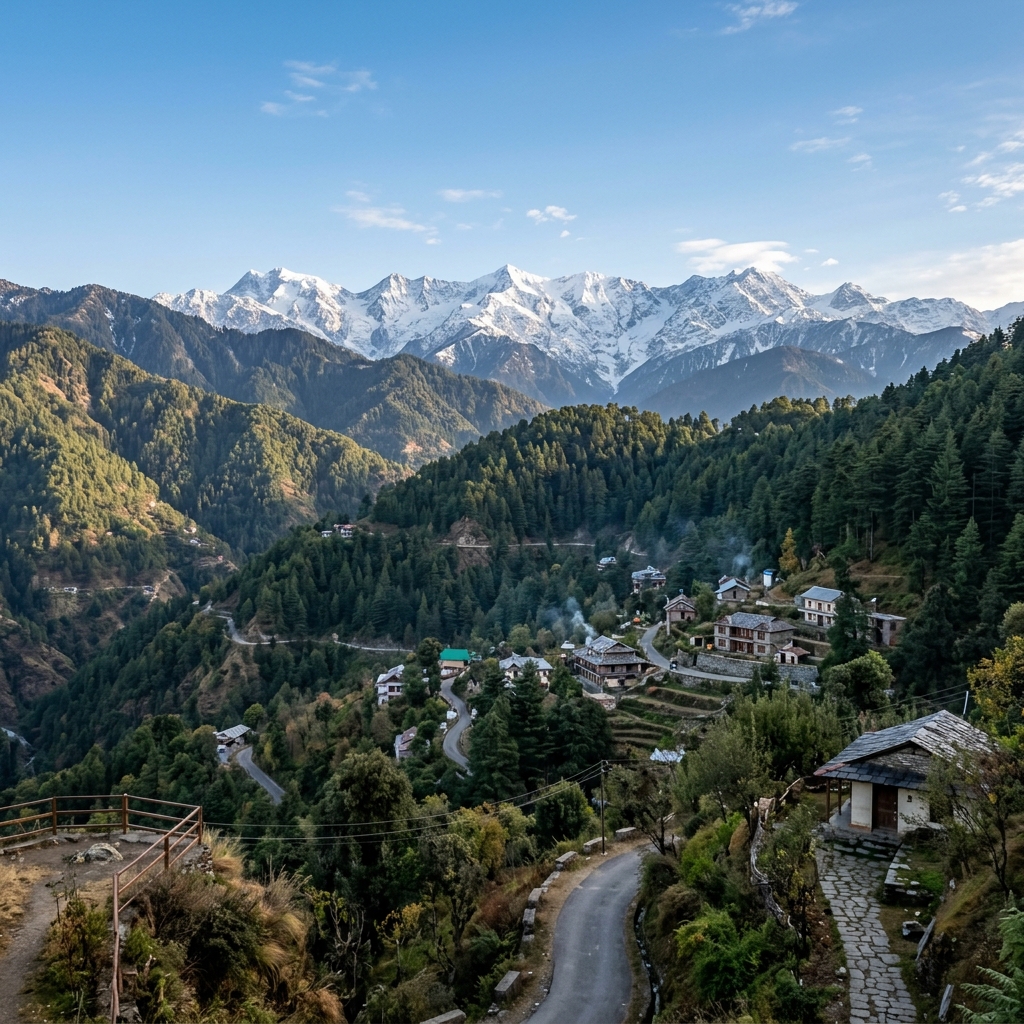
Situated at an elevation of 1,970 meters (6,463 ft) across five hills—Kathlog, Potreyn, Tehra, Bakrota, and Balun—Dalhousie is a premier example of 19th-century British hill station planning. Established in 1854 as a sanatorium and summer retreat for the British military, the town is architecturally and logistically distinct from its neighbors. It serves as the gateway to the Chamba Valley, a region with over 1,000 years of unbroken royal history. This guide provides a professional audit of Dalhousie's infrastructure, colonial heritage, and the unique geomorphology of the Dhauladhar-Pir Panjal interface.

---

1. Historical & Strategic Context

The Sanatorium Legacy

Dalhousie was named after James Broun-Ramsay, 1st Marquess of Dalhousie, the then Governor-General of India. Unlike Manali or Dharamshala, which grew around ancient indigenous settlements, Dalhousie was a surgical colonial insertion. Its purpose was medical and tactical—providing a temperate climate for troops stationed in the Punjab plains. This is reflected in the town's wide boulevards and the concentration of high-authority institutional buildings (churches, schools, and military barracks).

The Chamba Link

Dalhousie was originally part of the Chamba State. The British negotiated the acquisition of the five hills from the Raja of Chamba in exchange for a reduction in the annual tribute. This historical link is vital for the traveler; to visit Dalhousie without auditing the heritage of Chamba is to miss the region's foundational narrative.

---

2. Strategic Climate & Seasonal Analysis

Summer (April to June): The High-Altitude Retreat

With temperatures ranging from 15°C to 25°C, this is the primary season for exploring the Kalatop forest corridors and the Khajjiar meadows.

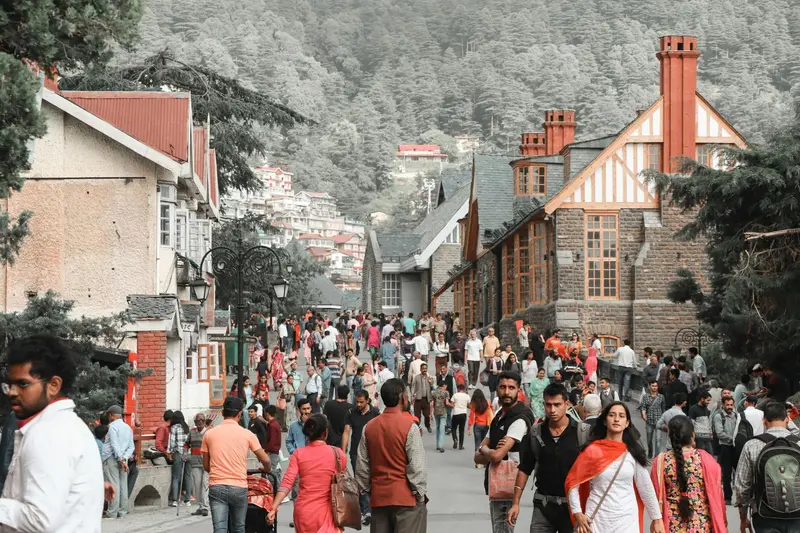
* Logistical Note: While pleasant, the town center (Gandhi Chowk) experiences significant tourist density. For an authoritative experience, stay in the Bakrota or Balun areas, which retain their colonial tranquility.

Monsoon (July to September): The Verdant Surge

Dalhousie receives substantial rainfall, turning the deodar and pine forests into high-visibility emerald zones.

* Hydrological Site: The Panchpula waterfall is at its maximum discharge. However, the road from Pathankot to Dalhousie is prone to minor slips; monitor weather reports for 48 hours prior to transit.

Autumn (October to November): The Clarity Window

Post-monsoon, the dust is washed from the atmosphere, providing the best visibility of the Pangi and Pir Panjal ranges. This is the optimal season for the Dainkund Peak trek.

Winter (December to February): The Cryospheric Window

Upper Dalhousie (Bakrota) receives heavy snowfall. Temperatures can drop to -2°C.

* Snow Logistics: The road to Khajjiar is frequently blocked by snow in January. Access is often limited to 4x4 vehicles with snow chains.

---

3. Logistical Infrastructure: How to Reach

The Pathankot Gateway

Pathankot (PTK/PTKC) is the critical logistical hub for Dalhousie. It is a major junction for both the Northern Railway and the Jammu-Pathankot highway.

* By Rail: The Kangra Valley Railway (Narrow Gauge) runs from Pathankot to Joginder Nagar. While scenic, it is slow. For Dalhousie, a direct taxi from Pathankot (85 km, 3 hours) is the professional standard.

* By Air: Pathankot Airport has limited civil operations. Gaggal Airport (DHM) in Kangra (120 km) is the primary alternative, followed by a 4-hour road transit.

---

4. Architectural Survey: The Gothic Revival

Dalhousie houses four major colonial-era churches, each a study in 19th-century ecclesiastical architecture:

St. John's Church (Gandhi Chowk)

Built in 1863, it is the oldest church in the town. It follows the Victorian Gothic style, characterized by its stone masonry and stained-glass windows depicting St. John and St. Peter.

St. Andrew's Church (Balun)

Constructed in 1903, this 'Scotch Church' is a masterpiece of brickwork. It stands in the Balun Cantonment area and is noted for its stark, functional elegance compared to the more ornate St. John's.

St. Patrick's Church (Balun)

The largest church in Dalhousie, built in 1909. It features a grand vault and is a primary example of how British military engineering was applied to religious structures in the Himalayas.

---

5. Major Technical Sites & Expeditions

Khajjiar: The Saucer Plateau

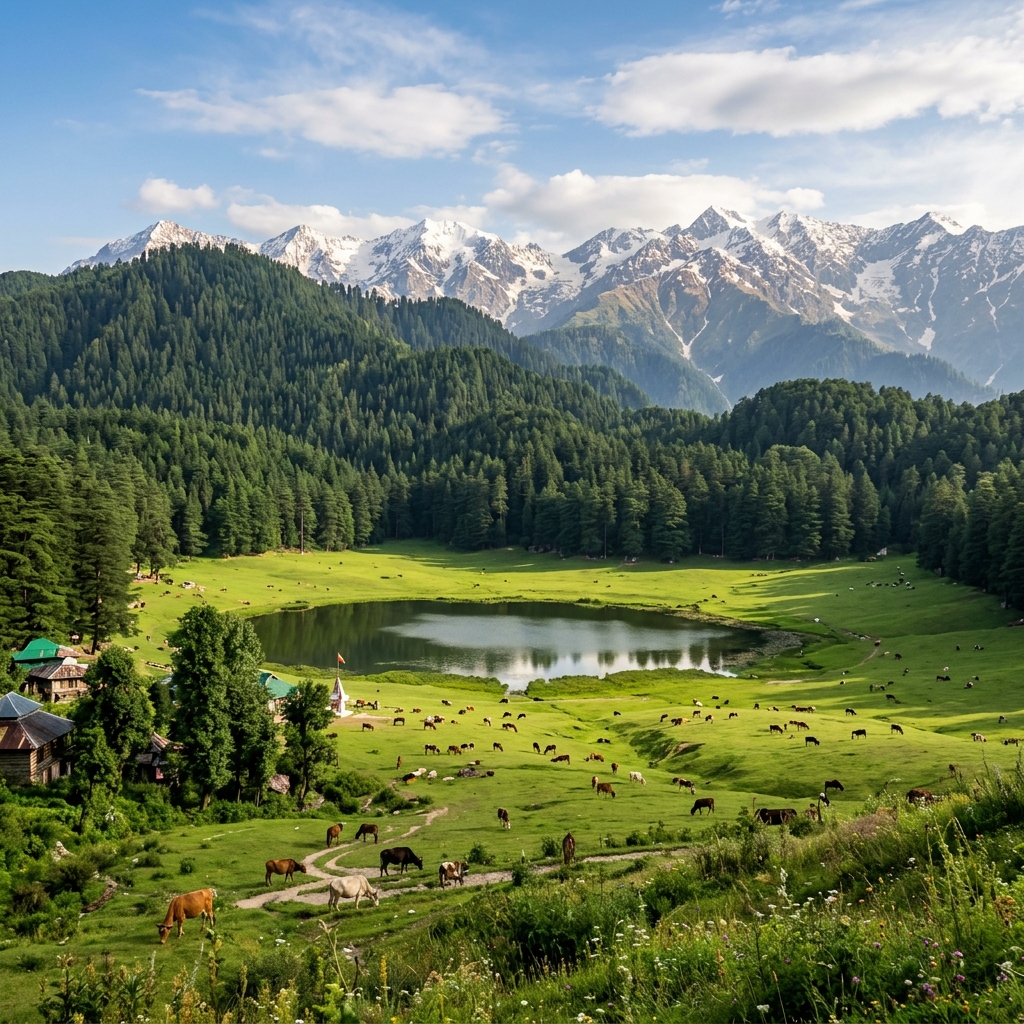
Located 24 km from Dalhousie at 1,920m, Khajjiar is a geomorphological anomaly—a saucer-shaped meadow with a small lake at its center, surrounded by dense deodar forests.

* The Floating Island: The lake contains a clump of grasses and weeds that 'floats' on the surface due to the accumulation of organic matter (peat).

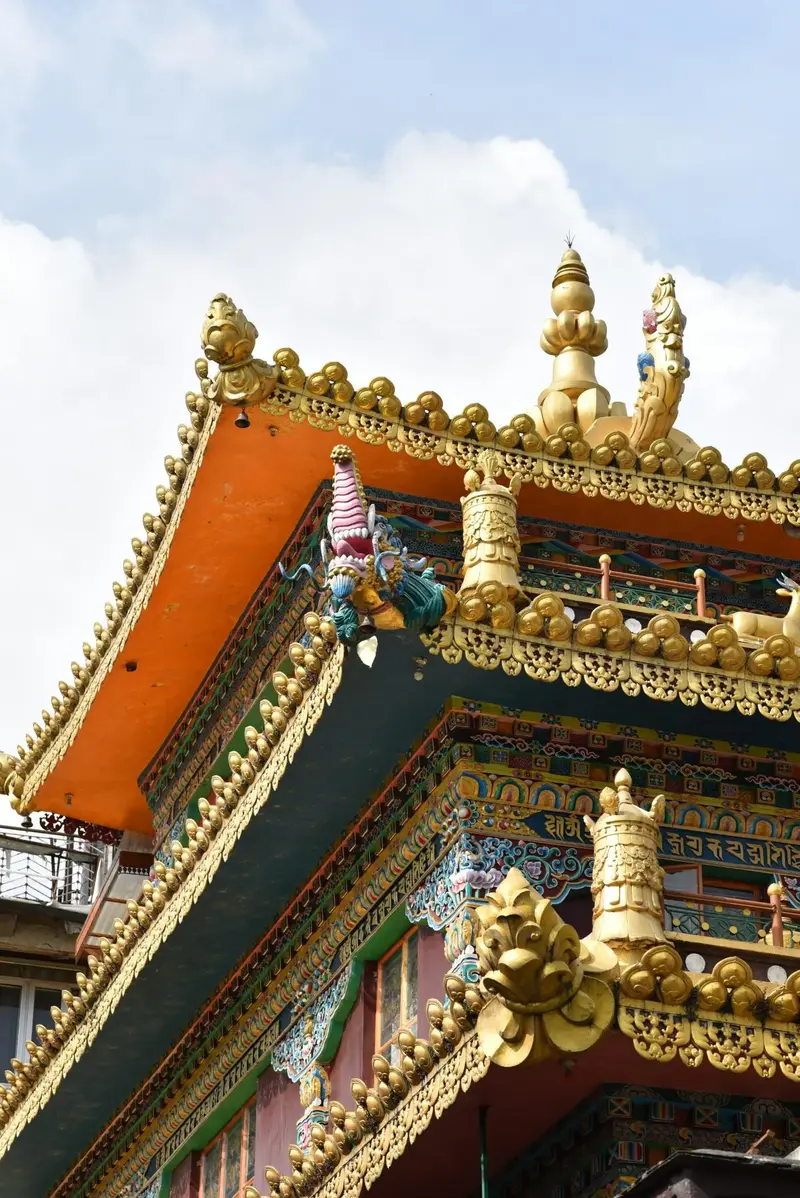
* Heritage Audit: The 12th-century Khajji Nag Temple features exquisite wood carvings depicting the Pandavas and Kauravas, representing the overlap of local serpent worship (Nag) and mainstream Hindu epics.

Dainkund Peak: The Singing Hill

At 2,745 meters, Dainkund is the highest point in the region.

* Acoustics: Known as the 'Singing Hill' due to the musical sound produced by the wind passing through the pine trees and the mountain valleys.

* The Pholani Devi Temple: A unique shrine at the peak where only the trident (Trishul) is worshipped, sans a traditional idol, reflecting the raw, elemental nature of high-altitude spirituality.

Kalatop Wildlife Sanctuary

A high-altitude forest (deodar, oak, and pine) that serves as a critical habitat for the Himalayan Black Bear and the Barking Deer.

* Logistics: A 12 km forest track connects Kalatop to Khajjiar. It is a 'no-horn' zone and requires a permit from the forest department for vehicular entry.

---

6. The Chamba Valley Expansion (Day Trip)

Chamba town (52 km from Dalhousie) is the administrative and cultural heart of the district.

* Lakshmi Narayan Temple: A 10th-century complex built by Sahil Varman. The Shikhara-style architecture is a premier study in stone masonry.

* Bhuri Singh Museum: Established in 1908, it houses the rare Chamba Rumal (embroidery) and copper plate inscriptions that trace the lineage of the Chamba Rajas back to 500 AD.

---

7. Gastronomy & Local Economy

The Chamba Madra

A signature dish of the region—chickpeas cooked in a slow-simmered yogurt-based gravy infused with cardamom, cloves, and cinnamon. It is a nutrient-dense meal designed for the mountain climate.

Chamba Rumal & Chappals

The local economy is supported by two GI-tagged (Geographical Indication) crafts:

* Chamba Rumal: A double-sided embroidery where the design appears identical on both sides.

* Chamba Chappal: Handcrafted leather footwear known for its durability in rugged terrain.

---

8. Accommodation Strategy

Colonial Heritage Properties

- Grand View Hotel: Established 1895, offers panoramic views of the Pir Panjal range

- Mongas Hotel: Heritage property with colonial architecture and period furnishings

- Alps Hotel: Historic building with traditional hospitality and mountain views

Modern Luxury Options

- Lalit Resort: Premium amenities with spa facilities and fine dining

- Snow Valley Resorts: Modern comfort with traditional Himachali hospitality

- Fortune Resort: Chain hotel with consistent quality and services

Budget & Mid-Range

- Hotel Mount View: Central location with excellent valley views

- Aroma Hotel: Good value with modern amenities

- Guesthouses: Numerous options in Gandhi Chowk and Subhash Chowk areas

Unique Stays

- Forest Rest Houses: Government properties in Kalatop and Khajjiar

- Homestays: Traditional Chamba Valley homes with authentic hospitality

- Camping Sites: Designated camping areas in Khajjiar and surrounding forests

---

9. Shopping & Local Crafts

Chamba Rumal (GI Tagged)

- Double-sided Embroidery: Unique technique where designs appear identical on both sides

- Traditional Motifs: Hindu mythology, floral patterns, and geometric designs

- Purchase Points: Chamba town cooperative societies and Dalhousie emporiums

Chamba Chappal (GI Tagged)

- Handcrafted Leather: Durable footwear designed for mountain terrain

- Traditional Designs: Intricate patterns and colorful embroidery

- Custom Orders: Many artisans accept custom designs and sizing

Local Handicrafts

- Wood Carvings: Deodar wood artifacts, religious figurines, and decorative items

- Metal Work: Copper and brass items from traditional Chamba artisans

- Textiles: Local woolens, pashmina shawls, and handwoven fabrics

Shopping Areas

- Gandhi Chowk: Main shopping area with fixed-price stores

- Subhash Chowk: Local market with handicrafts and souvenirs

- Chamba Town: Traditional crafts cooperative and government emporiums

- Local Villages: Direct purchases from artisans in surrounding areas

---

10. Photography Guide

Prime Locations

- Khajjiar Lake: Golden hour shots with floating island and meadow reflections

- Dainkund Peak: Panoramic views of Pir Panjal and Dhauladhar ranges

- Panchpula Waterfall: Long exposure shots during monsoon season

- Colonial Architecture: St. John's Church and heritage buildings

Technical Tips

- Best Lighting: Early morning (6-8 AM) and late afternoon (4-6 PM)

- Equipment: Wide-angle for landscapes, telephoto for wildlife and distant peaks

- Weather: Mountain weather changes rapidly; carry protection for gear

- Seasonal Variations: Each season offers unique photographic opportunities

Cultural Photography

- Temple Architecture: Khajji Nag Temple and Chamba temple complexes

- Local Life: Traditional craftspeople and village scenes

- Festivals: Minjar Mela (July) and other local celebrations

- Heritage: Colonial buildings and traditional Chamba Valley architecture

---

11. Budget Planning

Daily Budget Estimates (Per Person)

- Budget Traveler: ₹700-1,000 (guesthouses, local transport, local food)

- Mid-Range: ₹1,800-3,000 (heritage hotels, private transport, restaurants)

- Luxury: ₹4,000-8,000+ (premium properties, private tours, fine dining)

Cost Breakdown

- Accommodation: ₹400-6,000 per night depending on category

- Food: ₹250-1,200 per day (local dhabas to fine dining)

- Transport: ₹400-1,500 per day (shared taxis to private vehicles)

- Activities: ₹300-2,000 per activity (guided tours, entry fees)

- Shopping: Variable based on handicraft purchases

Money-Saving Tips

- Off-Season: Visit April-May or October-November for better rates

- Local Transport: Use shared taxis and local buses

- Local Cuisine: Excellent local food at affordable prices

- Group Travel: Many activities offer group discounts

---

12. Emergency Services

Medical Facilities

- CHC Dalhousie: Main government health center

- Private Clinics: Several facilities in Gandhi Chowk area

- Pharmacies: Well-stocked throughout the town

- Chamba Hospital: Larger facility 52 km away for serious cases

Emergency Contacts

- Police: 100 / +91-189-222222 (Dalhousie Police Station)

- Ambulance: 102 / +91-189-222333

- Tourist Police: +91-189-222222

- Forest Department: +91-189-222444 (for wildlife sanctuary issues)

Safety Guidelines

- Road Safety: Mountain roads require careful driving; avoid night travel

- Weather: Check forecasts before high-altitude travel

- Forest Safety: Follow guidelines in wildlife sanctuary areas

- Trekking Safety: Never trek alone; inform someone of your route

---

13. Packing Essentials

Basic Requirements

- Clothing: Layered clothing, warm jacket, comfortable walking shoes

- Documents: ID proof, permits for certain areas, insurance papers

- Health: Personal medications, basic first aid kit

- Electronics: Power bank, universal charger, camera equipment

Seasonal Additions

- Summer: Light cotton clothes, sun hat, sunscreen, sunglasses

- Monsoon: Rain gear, waterproof bags, quick-dry clothing

- Winter: Heavy woolens, gloves, caps, warm boots

Specialized Gear

- Trekking: Sturdy boots, backpack, water bottles, energy snacks

- Photography: Camera equipment, lenses, tripods, protection gear

- Wildlife: Binoculars, field guides, appropriate clothing

---

14. Responsible Travel

Environmental Conservation

- Zero Plastic: Carry reusable water bottles and shopping bags

- Waste Management: Dispose of waste properly; carry back non-biodegradables

- Forest Respect: Stay on marked trails; avoid disturbing wildlife

- Water Conservation: Use water sparingly in mountain regions

Cultural Respect

- Temple Etiquette: Dress modestly, remove footwear before entering

- Local Traditions: Respect Chamba Valley customs and practices

- Photography: Ask permission before photographing people or ceremonies

- Craft Preservation: Purchase authentic handicrafts from registered artisans

Sustainable Tourism

- Local Guides: Hire local guides for authentic experiences

- Homestays: Choose local homestays for community benefit

- Local Transport: Use local transportation services

- Traditional Crafts: Support local artisans and traditional crafts

---

15. Extended Itineraries

Chamba Valley Circuit (3-4 Days)

- Day 1: Dalhousie sightseeing, colonial architecture

- Day 2: Khajjiar and Kalatop Wildlife Sanctuary

- Day 3: Chamba town, Lakshmi Narayan Temple, Bhuri Singh Museum

- Day 4: Bharmour Valley and ancient temples

Adventure Extension (2-3 Days)

- Trekking: Dainkund Peak trek, forest trails

- Wildlife: Kalatop sanctuary exploration

- Camping: Designated camping sites in Khajjiar

- Photography: Specialized photography tours

Cultural Immersion (2-3 Days)

- Craft Workshops: Learn Chamba Rumal embroidery

- Traditional Cooking: Local cuisine preparation

- Village Visits: Experience traditional Chamba Valley life

- Festival Participation: Plan around local festivals

---

Conclusion

Dalhousie offers a unique duality—the structured, elegant remnants of a British sanatorium and the raw, ancient heritage of the Chamba Valley. To visit is to experience the high-authority planning of the 19th century alongside a cultural lineage that pre-dates the colonial era by a millennium.

Plan your professional Dalhousie expedition with Himalayan Escalate.

Contact Our Ground Experts | View Himachal Itineraries

---

Travel Authority by Himalayan Escalate